












Temple of the Sacred Tooth Relic: The Spiritual Heart of Sri Lanka
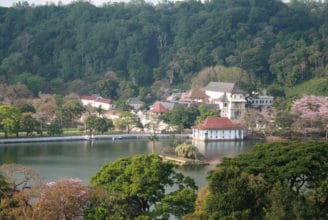
The Temple of the Sacred Tooth Relic (Sri Dalada Maligawa) is the most revered site in Sri Lanka and a cornerstone of Buddhist heritage globally. Located within the royal palace complex of the former Kingdom of Kandy, this golden-roofed temple houses the sacred tooth of the Buddha—a relic that has symbolised the right to rule the island for centuries. Surrounded by the misty hills and the serene Kandy Lake, the temple is a living place of worship where the air is thick with the scent of jasmine and the sound of traditional drums.
Experience Highlights
The Ritual of Thevava:
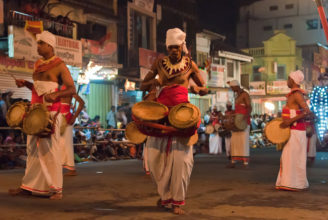
The most moving way to experience the temple is during the Thevava (daily rituals). Three times a day—at dawn, noon, and dusk—the inner sanctum is opened to the sounds of ceremonial drumming and trumpeting. Devotees dressed in white gather to offer lotus flowers, creating an atmosphere of intense devotion and rhythmic energy that is unique to the Kandyan highlands.
Architectural Grandeur:
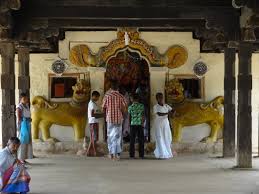
The temple complex is a masterpiece of Kandyan architecture. From the intricately carved Makara Torana (Dragon Arch) to the stunning octagonal Paththirippuwa tower, every element is rich with symbolism. The “Golden Canopy” over the inner shrine, donated in recent decades, glows brilliantly against the dark wood and stone of the ancient structures.
The World Buddhism Museum:
Located within the complex, this museum provides a fascinating overview of the spread of Buddhism across Asia. It features beautifully curated exhibits from across the globe, offering a broader context to the significance of the relic you are visiting.
Expert Note: A Message from Aleem
“The Temple of the Tooth is the soul of my home country. Having lived in the UK for over 25 years, I always find that a visit here brings a sense of profound grounding.
It is important to note that while the temple is famous for the Esala Perahera festival in August, Earth Trip does not support or promote this event. At Earth Trip, we hold a firm stance on animal welfare; as the Perahera involves the use of captive elephants in loud, crowded processions, it does not align with our commitment to ethical travel.
Instead, I encourage our guests to visit during the quiet, daily puja ceremonies. In early 2026, the temple authorities completed restorations to the heritage walking paths, making it a peaceful time to explore. Because I understand the values of our European clients, I ensure your visit focuses on the spiritual and architectural beauty of the site in a way that respects both local culture and animal rights.”
— Aleem Raheem, Sri Lanka Specialist at Earth Trip
Key Heritage & Ritual Features
| Category | Must-See Highlights |
| Sacred Relic | The Golden Casket: Visible during puja hours, containing the sacred tooth of the Buddha. |
| Ancient Art | The Audience Hall: Featuring exquisite wooden pillars and traditional Kandyan carvings. |
| Museums | The World Buddhism Museum: An international look at Buddhist history and art. |
| Ritual Times | Evening Puja (6:30 PM): The most vibrant time to witness the drumming and flower offerings. |
The Earth Trip Experience
At Earth Trip, we believe in travel that is both culturally enriching and ethically responsible. We arrange for expert local guides who focus on the deep history of the Gampola and Kandyan eras. By avoiding the busy festival seasons, we ensure you have a more intimate, respectful experience of the temple’s daily life.
Your journey is 100% protected through our Travel Trust Association (TTA) membership. From private transfers that avoid the city’s peak congestion to selecting boutique accommodation that offers views over the lake, we provide the high European standards of service and safety that make your visit to Kandy truly unforgettable.
Visiting Tips
-
Dress Code: This is the holiest site in the country. You must wear clothing that covers your shoulders and legs (to the ankles). White clothing is traditionally worn by devotees and is highly recommended.
-
Ethical Travel: We recommend visiting outside of the August festival period to avoid the crowds and to support our stance on animal welfare.
-
Footwear: You will need to remove your shoes at the entrance. We advise leaving large bags with your private driver to ensure a smooth and quick entry.
Enquire Now to experience the Temple of the Tooth with Aleem.
Sacred Relic of the Tooth
The Temple of the Tooth and the Buddhist Museum, Sri Dalada Maligawa, dates back to the 16th century, though most of the present buildings were built in the 19th century. Recognised as the most important object in the Buddhist world, the sacred relic of the tooth of Buddha is enshrined at the temple. Brought from India 2500 years ago, it is said that the possessor of the relic had the right to rule the country. The relic is kept in a gold casket and stored amidst great security in the Inner Chamber.
You can witness one of the most spectacular festivals in the world. The Kandy Esala Perahera is one of the oldest and most colourful festivals in Sri Lanka and Asia. The festival features awe-inspiring dancers; many jewel-encrusted elephants, traditional Kandyan costumes and a myriad of drummers with fire-breathers and musicians around the streets of Kandy. This yearly festival is held during the evenings of July –August for 10 days to honour the Tooth of the Buddha known as the Tooth Relic. The festival starts each day between 7- 8pm and lasts for 2 hours.
The Temple of the Sacred Tooth Relic (Sri Dalada Maligawa)
The Temple of the Sacred Tooth Relic, or Sri Dalada Maligawa, located in the royal palace complex of Kandy, stands as the most sacred Buddhist shrine in Sri Lanka and a global pilgrimage site. This temple is famed for housing a relic believed to be the left canine tooth of Gautama Buddha. Its paramount significance is not only spiritual but also political, as ancient tradition held that whoever possessed the relic held the divine right to rule the country, making it the ultimate symbol of Sri Lankan sovereignty. The entire complex, set against the backdrop of Kandy Lake, is a magnificent display of unique Kandyan architectural style, featuring intricate carvings, silver and ivory embellishments, and a distinctive golden roof over the main shrine.
The history of the sacred relic dates back to the 4th century CE when, according to legend, it was secretly brought to Sri Lanka from Kalinga, India, by Princess Hemamala and Prince Dantha, hidden within the princess’s hair. After changing hands and locations across various ancient Sinhalese capitals, the relic finally arrived in Kandy in the late 16th century. The present structure was primarily built during the reign of King Kirthi Sri Rajasinghe in the 18th century, with the iconic octagonal pavilion, the Paththirippuwa, added later by King Sri Wickrama Rajasinghe. The temple and the surrounding Sacred City of Kandy were collectively designated a UNESCO World Heritage Site in 1988.
Religious life at the temple revolves around three daily Pujas (offerings and ceremonies) performed by Buddhist monks at dawn, noon, and in the evening to pay homage to the relic. The relic itself is never on public display; instead, it is secured within a series of seven ornate, nested golden caskets, which rest on a solid gold lotus flower inside the two-story inner shrine. The temple is also the focal point of the spectacular Kandy Esala Perahera, an annual 10-day festival held in July or August, featuring a grand procession of traditional dancers, drummers, and elaborately decorated elephants, which is one of the largest Buddhist celebrations in the world. Visitors can also explore the adjacent Sri Dalada Museum which houses historical artifacts and documents related to the relic.
Local Hotels
Unsure Where To Start?
Connect with a specialist to craft your journey.


Our travel specialists are seasoned explorers with deep local insights. Whether it’s uncovering hidden gems or planning immersive cultural experiences, we design trips that go beyond the ordinary. Get in touch today!
Request A Video MeetingOther Popular Experiences
 Temple of the Tooth (Sri Dalada Maligawa)