












Birds & Wildlife of Sri Lanka Holiday
This bespoke 18-day expedition is a premier journey for nature enthusiasts, specifically crafted to showcase the staggering biodiversity of the “Teardrop of the Indian Ocean.” From the primary rainforests of the southwest to the leopard-dense scrublands of the dry zone, this itinerary provides a professional and comprehensive immersion into Sri Lanka’s unique ecosystems.
Endemic Treasures & Rainforest Mysteries The adventure dives deep into the Sinharaja Rainforest, a UNESCO World Heritage site and a global biodiversity hotspot. Here, travellers witness the famous “bird waves”—mixed feeding flocks led by the Greater Racket-tailed Drongo. This region is critical for spotting the island’s most elusive endemics, including the Sri Lanka Blue Magpie, Red-faced Malkoha, and the Serendib Scops Owl. The journey continues to the montane cloud forests of Horton Plains, home to high-altitude specialists like the Sri Lanka Whistling Thrush and Yellow-eared Bulbul.
The Predator Kingdoms & Great Lakes As the landscape shifts to the arid plains, the focus turns to the “Big Three”: the Sri Lankan Leopard, the Sloth Bear, and the Asian Elephant. This itinerary provides elite tracking opportunities in the island’s most iconic parks:
-
Wilpattu National Park: Explore Sri Lanka’s largest park, famous for its villus (natural lakes), tracking leopards and bears in a serene, low-traffic environment.
-
Yala National Park: Experience world-class leopard density, where apex predators prowl the rocky outcrops of the southern coast.
-
Bundala National Park: Visit Sri Lanka’s first Ramsar wetland, a paradise for birders where thousands of Greater Flamingos, Painted Storks, and migratory waders congregate in the lagoons.
Practical Details
-
Price: From £4,790 per person (based on 2 adults sharing) Excluding international flights.
-
Duration: 18 Days (Fully customisable for specialist photographers or birders).
-
Transport: Private, air-conditioned vehicle with a Chauffeur-Guide (expert in bird calls and tracking).
-
Accommodation: A curated mix of Eco-luxury lodges and Tented Safari Camps.
Why This Wildlife Holiday Works
-
Maximum Endemic Success: Our route is optimised across different altitudinal zones to give you the highest probability of spotting all 34 endemic bird species.
-
Expert Guiding: You are accompanied by a specialist who understands the nuances of animal behaviour, ensuring sightings that standard tours often miss.
-
Total Customisation: Whether you want to spend extra days waiting for the perfect shot of a leopard or focus purely on rare orchids and butterflies, we tailor the rhythm to your passion.


Itinerary Highlights: Birds & Wildlife of Sri Lanka
This expedition is designed for the ultimate nature enthusiast, focusing on Sri Lanka’s incredible biodiversity. From the endemic bird “waves” of the Sinharaja Rainforest to the leopard-dense scrublands of Yala and Wilpattu, this journey traverses the island’s most critical ecological hotspots.
The North & Central Plains (Wilpattu & The Cultural Triangle)
-
Wilpattu National Park: Explore Sri Lanka’s largest park, famous for its unique villus (natural lakes). Track the elusive Sri Lankan Leopard and Sloth Bear in a quieter, more exclusive setting.
-
Anawilundawa Wetland: Visit this Ramsar-listed wetland where mangroves, coast, and lakes converge, creating a sanctuary for thousands of migratory birds like the Grey Heron and Garganey.
-
Sigiriya Sanctuary: Birdwatch in the shadow of the “Lion Rock.” The surrounding dry-zone forest is home to the Sri Lanka Grey Hornbill and the Crimson-fronted Barbet.
The Highlands & Rainforests (Mist & Endemics)
-
Horton Plains National Park: Trek through montane cloud forests to find high-altitude specialists like the Sri Lanka Whistling Thrush, Yellow-eared Bulbul, and the Dull-blue Flycatcher.
-
Sinharaja Rainforest: Step into a UNESCO World Heritage primary rainforest. This is the best place to witness “mixed-species feeding flocks” and spot the rare Sri Lanka Blue Magpie and Red-faced Malkoha.
-
Victoria Park, Nuwara Eliya: A surprising urban birding hotspot perfect for spotting the Pied Thrush and Kashmir Flycatcher during the winter months.
The Wild South (Yala, Bundala & Udawalawe)
-
Yala National Park: Set out on private 4×4 safaris in the world’s most famous leopard habitat, also home to Elephant, Golden Jackal, and the Crested Serpent Eagle.
-
Bundala National Park: A paradise for waterbirds; witness vast flocks of Greater Flamingos and the majestic Lesser Adjutant Stork across its lagoons.
-
Udawalawe National Park: Famous for guaranteed elephant sightings and raptors such as the Changeable Hawk-eagle and White-bellied Sea Eagle.
Why This Holiday Works
-
Endemic Focus: We aim to help you check off as many of Sri Lanka’s 34 endemic bird species as possible by visiting diverse altitudinal zones.
-
Expert Naturalists: You aren’t just driven; you are guided by experts who understand bird calls, migratory patterns, and animal behaviour.
-
Pacing for Photographers: We build in “slow mornings” and multiple safaris in the same park to ensure you get the perfect shot without feeling rushed.
Aleem’s Expert Note: “Sri Lanka is one of the few places on Earth where you can see the world’s largest land mammal (the Elephant) and largest marine mammal (the Blue Whale) in a single trip. This ‘Birds & Wildlife’ route is my favourite because it doesn’t just show you the ‘Big Five’; it takes you into the quiet corners like Sinharaja, where the real magic of the island’s evolution is hidden in the canopy. For 2026, we’ve optimised the routes to ensure you beat the crowds at Yala while still getting the best sightings.”
Regions You’ll Visit
View mapDay 1: Your Journey Begins
Your Sri Lankan expedition takes flight today. As you board your plane to Colombo International Airport (CMB), you are heading toward an island defined by its emerald landscapes, ancient heritage, and world-class wildlife.
Whether you are flying from London, Dubai, or Singapore, the anticipation of the tropical breeze and the warm “Ayubowan” welcome awaits you on the other side of the horizon.
Day 1 Highlights
Seamless Arrival Prep
While you are in the air, our team on the ground in Colombo is preparing for your arrival. Your private driver guide will be tracking your flight status to ensure they are waiting at the arrivals terminal the moment you step off the plane.
Show More
Day 2: Arrival & Journey to the Living Rainforest
“Ayubowan” & “Vanakkam.” Welcome to your tropical paradise! Your wildlife odyssey officially begins as you touch down in Sri Lanka. After clearing customs and collecting your luggage, you will be warmly greeted by your private driver-guide and an Earth Trip representative at the Colombo International Airport arrivals area.
From the airport, you will leave the coastal bustle behind and head toward the emerald heart of the island: Sinharaja, the last viable area of primary tropical rainforest in Sri Lanka.
Day 2 Itinerary Highlights
-
A Personalised Welcome: Experience the world-renowned warmth of Sri Lankan hospitality from the moment you arrive. Your guide will assist with your luggage and provide a refreshing start to your journey as you settle into your private, air-conditioned vehicle. This isn’t just a transfer; it’s the beginning of your naturalist-led adventure.
-
The Road to Sinharaja: The drive to Sinharaja takes approximately three hours, winding through scenic landscapes that transition from urban outskirts to lush rubber plantations and eventually into the deep, misty greens of the highland foothills. Your guide will share insights into the local life and the unique ecology you are about to enter.
-
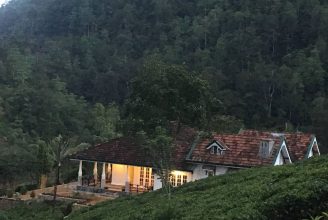
Check-in at Your Rainforest Lodge: Upon arrival at your lodge, you’ll be immersed in the sounds of the jungle—the rhythmic “cicada chorus” and distant bird calls. Your accommodation is strategically located to offer both comfort and immediate access to the forest. After checking in, spend the evening relaxing on your private veranda, watching the mist roll over the canopy as you prepare for your first deep-forest trek tomorrow.
- Board Includes:
- Breakfast

- Dinner

Show More
Day 3: Birdwatching in the Sinharaja Rainforest
Step into a prehistoric world this morning as you enter the Sinharaja Rainforest National Park, a UNESCO World Heritage Site and the crown jewel of Sri Lanka’s biodiversity. As you cross the threshold, you will find the sensory intensity of the deep jungle: thick, humid air, the rhythmic pulse of cicadas, and a towering canopy where more than 60% of the trees are found nowhere else on Earth.
Day 3 Itinerary Highlights
-
The Phenomenon of the ‘Bird Wave’: The highlight of your morning trek is witnessing the spectacular Mixed-Species Feeding Flocks, locally known as a “bird wave.” This fascinating survival strategy involves different species moving together through the canopy. Keep your binoculars ready for the “leaders” of the pack: the fearless Greater Racket-tailed Drongo and the boisterous Orange-billed Babbler.
-
Tracking the Endemics: Sinharaja is home to 26 of Sri Lanka’s endemic bird species. Guided by your specialist naturalist, you will search for the “Rainforest Royalty,” including:
-
Sri Lanka Blue Magpie: Strikingly colourful and intelligent.
-
Red-faced Malkoha: Elusive and perfectly camouflaged in the dense vines.
-
Green-billed Coucal: A shy inhabitant of the forest undergrowth.
-
Rare Amphibians & Reptiles: Look closely at the mossy barks and streams for endemic tree frogs and the hump-nosed lizard.
-
-
Afternoon at Leisure: After a morning of high-intensity tracking, return to the sanctuary of your bungalow. The rest of the day is yours to unwind. Whether you choose to nap to the sounds of the forest, catch up on your birding log, or enjoy a quiet walk around the lodge gardens, the atmosphere is one of total tranquillity.
Your Stay: Jansen’s Bungalow Located near the rainforest entrance, Jansen’s Bungalow is a “dreamy setting” that offers a unique blend of rustic charm and colonial elegance. It serves as the perfect base for nature lovers, allowing you to remain connected to the wilderness even while you dine.
-
Board Basis: Full Board (Breakfast, Lunch, and Dinner included).
-
Atmosphere: Secluded, intimate, and surrounded by the sights and sounds of the primary forest.
Naturalist Tips for Sinharaja
-
The “Wave” Strategy: Stay quiet and follow your guide’s lead; once a bird wave begins, the forest transforms into a flurry of activity for about 10–15 minutes before moving on.
-
Leech Protection: We provide leech socks and natural repellents. While they are a standard part of the rainforest ecosystem, they are easily managed with the right gear.
-
Camera Care: The humidity can be high; keep your camera gear in a dry bag when not in use and carry a microfibre cloth for the lens.
- Board Includes:
- Breakfast
- Lunch
- Dinner
Show More
Day 4: Sinharaja’s Living Ecosystem & Community Connection
Rise with the dawn chorus for a second morning of exploration. While yesterday focused on the high canopy and “bird waves,” today is about understanding the delicate balance between the forest and the people who call it home. Sinharaja is not just a sanctuary for wildlife; it is a vital life-source for over 20 traditional communities living in the buffer zone, whose livelihoods—from eco-guiding to sustainable harvesting—are intricately linked to the preservation of this ancient forest.
Day 4 Itinerary Highlights
-
The Morning Chorus: Early morning is the most active time for the forest’s inhabitants. As the mist lifts, your naturalist will help you track species you may have missed yesterday. Look for the Sri Lanka Spurfowl in the dense undergrowth or listen for the distinct call of the Sri Lanka Hill Myna.
-
The People of the Forest: As you walk, your guide will share stories of the local villages. You will learn how these communities have transitioned from historically depending on the forest for subsistence (like harvesting Kitul sap for treacle) to becoming its primary protectors. Many of the most skilled trackers are from these villages, possessing an ancestral knowledge of the trails that no textbook can match.
-
Evening: Garden Birding at Jansen’s: Return to the bungalow for an afternoon of relaxation. In the evening, you do not need to leave the grounds to see incredible wildlife. The lush gardens and surrounding tea estate at Jansen’s Bungalow act as a natural extension of the forest.
-
Poolside Sightings: Keep an eye out for the Sri Lanka Blue Magpie, which is known to visit the bungalow’s infinity pool.
-
Canopy Views: Sip a cup of local Ceylon tea on your private balcony while spotting Toque Macaques and Purple-faced Leaf Monkeys moving through the trees.
-
Nocturnal Arrivals: As dusk settles, listen for the Chestnut-backed Owlet or the rustle of lizards in the garden foliage.
-
Your Stay: Jansen’s Bungalow Enjoy another night in this quaint, “olde-world” retreat. The property’s multi-level terraces offer panoramic views of the forest canopy, making it a “birdwatcher’s paradise” even during your downtime.
-
Board Includes: Breakfast & Dinner.
-
Evening Vibe: Homely, peaceful, and surrounded by the “eternal chorus of birdsong.”
Wildlife Insider: Garden Residents
-
The “Blue Visitor”: The Sri Lanka Blue Magpie is surprisingly bold around Jansen’s; have your camera ready during breakfast or tea time.
-
Insect Orchestra: As the sun sets, the bird calls are replaced by the intense rhythmic buzzing of cicadas—a true forest-bathing experience.
-
Flowering Neighbours: The garden’s tropical flowers attract a variety of butterflies, including the Common Birdwing, Sri Lanka’s national butterfly.
- Board Includes:
- Breakfast
- Lunch
- Dinner
Show More
Day 5: Sinharaja → Kalametiya’s Coastal Sanctuary
Bid farewell to the misty rainforest canopy as you journey south toward the sun-drenched shores of Kalametiya. This transition takes you from the dense green of the highlands to a vibrant coastal ecosystem where the jungle meets the Indian Ocean. Kalametiya is a serene, off-the-beaten-path village renowned for its rich birdlife and pristine wetlands.
Day 5 Itinerary Highlights
-
Journey to the Deep South: The drive to Kalametiya covers approximately 120–130 km from Sinharaja (about a 2 to 2.5-hour journey). As you descend toward the coast, watch the landscape shift from rubber and tea estates to swaying coconut palms and sprawling lagoons. Your private guide will navigate the scenic southern roads, ensuring a comfortable transit to your coastal retreat.
-
Birdwatcher’s Paradise: The Kalametiya Lagoon: Located just a five-minute stroll from your hotel, the Kalametiya Bird Sanctuary is one of Sri Lanka’s oldest and most significant wetlands. This mosaic of mangrove swamps, salt marshes, and lagoons is home to over 180 bird species.
-
What to Spot: Look for the rare Black-capped Purple Kingfisher, Glossy Ibis, and the majestic Lesser Adjutant Stork. The saline lagoons also attract seasonal flocks of Greater Flamingos and various migratory waders.
-
Lagoon Safari: The calm waters are best explored by a traditional catamaran, allowing you to glide silently past mangroves where birds nest and feed.
-
-
Turtle Breeding Grounds: The raw, undeveloped beachfront at Kalametiya serves as a vital nesting site for several species of sea turtles. If you wander the shore at night or in the early morning, you may see the tracks of these ancient mariners in the sand.
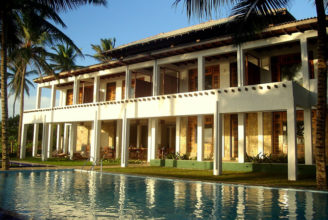
Your Stay: Turtle Bay Perched with a commanding 180-degree view of the Indian Ocean, Turtle Bay is a boutique hotel that embodies “Responsible Luxury.” It is designed for those who seek high-end comfort without compromising environmental or social integrity.
-
Responsible Luxury: The hotel operates with a deep commitment to sustainability, supporting local communities and minimising its ecological footprint.
-
The Experience: Enjoy the infinity pool, try Ayurvedic spa treatments, or simply watch the sunset over the horizon from your private balcony.
-
Board Includes: Breakfast & Dinner.
Naturalist Tips for Kalametiya
-
Golden Hour: The best time for birdwatching at the lagoon is 6:30 AM or just before sunset when the light is soft and avian activity is at its peak.
-
Beach Etiquette: If you encounter a nesting turtle, maintain a respectful distance and avoid using white flashlights or flash photography, as this can disorient the animals.
-
Marine Views: Keep an eye on the ocean; during the right season, you might spot dolphins or even whales breaching in the distance from the hotel’s elevated vantage point.
- Board Includes:
- Breakfast
- Dinner
Show More
Day 6: Double Wetland Adventure – Kalametiya & Bundala
Today is dedicated to the spectacular waterbirds and coastal wildlife of Sri Lanka’s deep south. From the serene, lotus-filled lagoons of Kalametiya to the internationally recognised Ramsar wetlands of Bundala, you will witness the island’s most important habitats for both resident and migratory species.
Day 6 Itinerary Highlights
-
Morning: Kalametiya Boat Safari: After breakfast, head out on a peaceful boat trip through the Kalametiya Bird Sanctuary. This diverse ecosystem of brackish lagoons and mangrove swamps is a masterclass in wetland biodiversity.
-
Avian Specialties: Keep a sharp eye for the “sought-after” species: the Slaty-breasted Crake, the secretive Black Bittern, and the Watercock.
-
Lush Landscapes: Navigate past some of the most beautiful lotus ponds in the country while spotting Glossy Ibis and thousands of scurrying waders.
-
Mammal Sightings: Watch the banks for the Grey Mongoose and the silver-furred Hanuman Langur monkeys playing in the scrub.
-
-
Afternoon: Bundala National Park Jeep Safari: Next, you head to Bundala National Park, a mix of scrub jungle, sand dunes, and salt lagoons. As Sri Lanka’s first Ramsar site, it is a global heavyweight for birdwatching.
-
The Migratory Spectacle: Between August and April, shorebird numbers can soar to 20,000. You may see vast colonies of Greater Flamingos painting the lagoons pink.
-
A Predator Rarity: Bundala is unique as the only park where you can spot both Marsh and Estuarine (Saltwater) Crocodiles during a single safari drive.
-
The Big Mammals: While famous for birds, the park also supports Asian Elephants, Sambar, and Spotted Deer.
-
-
Leisurely Lakeside Walk: To round off the afternoon, enjoy a rare opportunity for a leisurely walk around the lake. Stepping out of the Jeep allows you to appreciate the finer details of the park’s 383 plant species and the quiet rustle of the coastal dunes—important nesting sites for sea turtles.
Your Stay: Turtle Bay Return to the sustainable elegance of Turtle Bay for your second night. After a day of sun and salt air, the infinity pool and the 180-degree ocean views provide the perfect setting to review your birding checklist.
-
Board Includes: Breakfast & Dinner.
-
Eco-Tip: Your stay here supports the “responsible luxury” initiative, helping preserve the very coastal ecosystems you explored today.
Naturalist Tips for Bundala
-
Hydration & Protection: The coastal sun at Bundala can be intense. Wear a wide-brimmed hat and bring plenty of water for the Jeep safari.
-
The Flamingo Factor: Flamingo sightings depend on water levels; your guide will know which specific lagoons are currently hosting these iconic visitors.
-
Rare Flora: Ask your guide to point out the endemic plant species found in the sand dunes—some are found nowhere else on the island.
- Board Includes:
- Breakfast
- Dinner
Show More
Day 7: From Coastal Wetlands to the Misty Highlands of Nuwara Eliya
Today marks a dramatic shift in scenery as you transition from the tropical southern coast to the cool, emerald heights of the Hill Country. You will have a final morning to soak in the avian wonders of Kalametiya before ascending into the “Little England” of Sri Lanka, Nuwara Eliya.
Day 7 Itinerary Highlights
-
Morning: A Final Farewell to Kalametiya: Enjoy a final morning at this coastal birdwatching paradise. Whether you choose to take a quiet walk along the turtle-nesting beach or have one last look at the lagoon’s vibrant waders, the early hours offer the best light for photography and bird activity. Listen for the calls of the Brahminy Kite as it patrols the shoreline before you begin your journey inland.
-
The Ascent to the Hill Country: After breakfast, you will begin the four-hour drive toward Nuwara Eliya. This is one of the most scenic routes in Sri Lanka. As you climb:
-
Temperature Drop: Feel the air turn crisp and cool as the humidity of the coast fades away.
-
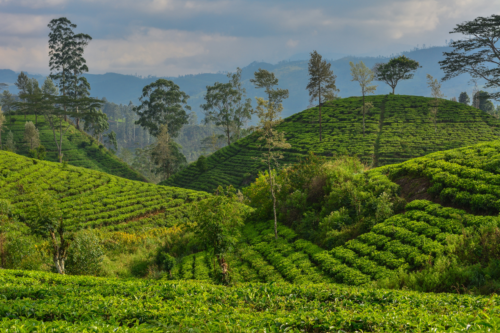
Tea Country Panoramas: Watch as the scrub jungle transforms into endless rolling hills of manicured tea estates and cascading waterfalls.
-
Scenic Stops: Your private guide will stop at key viewpoints, allowing you to breathe in the fresh mountain air and capture the dramatic landscape of the central highlands.
-
-
Arrival in Nuwara Eliya: Upon reaching the highlands, you will check into your unique eco-retreat. Nuwara Eliya is famous for its colonial architecture, colourful gardens, and high-altitude wildlife. The change in climate brings an entirely new set of species to discover, specifically the highland endemics that thrive in the misty montane forests.
Your Stay: The Plains Green Located amidst the serene landscapes of the highlands, The Plains Green is a pioneer in sustainable hospitality. This bungalow offers one of the most comprehensive “green-concept” experiences in Sri Lanka.
-
Eco-Immersion: The property is designed to minimise its environmental footprint while maximising your connection to the surrounding nature.
-
Atmosphere: Quiet, cosy, and perfectly situated for those who want to experience the true stillness of the plains.
-
Board Includes: Breakfast & Dinner.
Traveller Tips for the Highlands
-
Layer Up: Temperatures in Nuwara Eliya can drop significantly, especially in the evenings (often reaching 10°C – 15°C). Ensure you have a warm fleece or light jacket easily accessible.
-
Motion Comfort: The road to the highlands is winding; if you are prone to motion sickness, let your guide know so they can take the corners gently and provide frequent stops.
-
Tea Tasting: As you pass through the estates, ask your guide to stop at a local tea factory for a fresh cup of “BOP” (Broken Orange Pekoe) straight from the source.

- Board Includes:
- Breakfast
- Dinner
Show More
Day 8: Trekking the “Roof” of Sri Lanka – Horton Plains
Rise before dawn to experience the ethereal beauty of Horton Plains National Park. At an elevation of 2,134 metres, this is Sri Lanka’s highest and most isolated plateau. As the first rays of sun pierce through the mist, you will find yourself in a landscape that feels worlds away from the tropical coast—a silent, windswept wilderness of “Patna” grasslands and stunted, moss-covered cloud forests.
Day 8 Itinerary Highlights
The Journey to World’s End
Embark on a 4-hour trek along well-trodden bridle paths. The air here is thin and crisp, perfect for a brisk morning walk. The climax of the trek is World’s End, a staggering escarpment with a sheer drop of 1,050 metres.
-
The View: On a clear morning, you can lie on your stomach and peep over the edge to see the distant rim of the Indian Ocean, nearly 80 kilometres away.
-
Baker’s Falls: On the return loop, visit this magnificent waterfall named after the famous explorer Sir Samuel Baker, where the water thunders over a 20-metre high rock slab.
Rare Highland Wildlife
Horton Plains is a sanctuary for species adapted to the cold.
-
Sambar Deer: Often seen grazing calmly near the entrance or along the forest fringes.
-
The Elusive “Bear Monkey”: Keep an eye on the canopy for the highland-adapted Purple-faced Leaf Monkey, known here for its thicker, shaggier coat.
-
Avian Endemics: This is the best place to spot the Yellow-eared Bulbul, Sri Lanka Bush Warbler, and the rare Dull-blue Flycatcher.
History of the Plains
Named in honor of the British Governor Sir Wilmot-Horton, the area was “discovered” for the Western world by Sir Thomas Farr in the 1900s. Today, it stands as a vital watershed and one of the world’s most unique montane ecosystems, protected as a UNESCO World Heritage site.
Your Stay: The Plains Green
Return to your eco-bungalow for a warm meal and a relaxed afternoon. After the morning’s trek, there is nothing quite like cozying up with a book or enjoying the “green-concept” hospitality of this secluded retreat.
-
Board Includes: Breakfast & Dinner.
-
Evening Vibe: Misty, quiet, and cool—the perfect highland atmosphere.
Naturalist Tips for Horton Plains
-
The 6:00 AM Rule: It is crucial to reach World’s End by 9:00 AM. After this, the mist usually rolls in like a thick white curtain, obscuring the famous view.
-
Eco-Protocol: Horton Plains is a No-Plastic Zone. Ensure you do not bring plastic bags or bottles; the park rangers will check your bags at the entrance and may ask you to remove plastic wrappers from snacks.
-
Dress in Layers: It will be freezing (literally) at 5:30 AM, but as you hike and the sun rises, you will want to peel off layers. Wear sturdy walking shoes or hiking boots.
- Board Includes:
- Breakfast
- Dinner
Show More
Day 9: Highland Flora & The Descent to Kandy
This morning, you will explore the lush, high-altitude sanctuary of Hakgala Botanical Gardens. After immersing yourself in its unique montane flora and fauna, you will begin your scenic descent from the misty tea country to the vibrant cultural capital of the hills, Kandy.
Day 9 Itinerary Highlights
Birdwatching at Hakgala Botanical Garden
Perched under the shadow of the Hakgala Rock, these gardens are the second largest in Sri Lanka and offer a specialized habitat for highland wildlife. The cool climate and diverse plant life make it a magnet for rare species.
-
Avian Highlights: This is a premier site to spot the Sri Lanka Blue Magpie and the Yellow-eared Bulbul. Keep your binoculars ready for a flurry of activity including Woodpeckers, Shrikes, Drongos, and various Flycatchers.
-
Endemic Montane Species: Look for the Dull-blue Flycatcher and the Sri Lanka White-eye among the roses and tree ferns.
-
The “Bear” Monkey: You may also spot the shaggy-coated highland Purple-faced Leaf Monkey foraging in the towering eucalyptus trees.
The Journey to Kandy
In the afternoon, you will begin the 3-hour journey toward Kandy. The road winds through spectacular tea-clad valleys and past rushing waterfalls. As you descend, the crisp mountain air gradually warms into the mild, pleasant climate of the mid-country. Your private guide will navigate the “S-turns” of the highlands, ensuring a comfortable transition to your next luxury retreat.
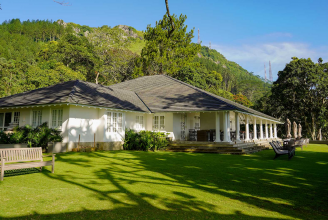
Your Stay: W15 Hanthana Estate
Nestled in the rolling hills of the Hanthana mountain range, W15 Hanthana Estate is a masterpiece of colonial elegance and modern luxury. This restored bungalow provides a quintessential “tea estate” experience with unparalleled views of the Kandy valley.
-
Activities & Leisure: After checking in, enjoy a game of tennis, relax by the infinity pool, or take a walk through the surrounding tea trails.
-
Deluxe Comfort: Experience personalized service in a setting that feels worlds away from the city’s hustle, yet is just a short drive from Kandy’s center.
-
Board Includes: Breakfast & Dinner.
Naturalist Tips for Day 9
-
The Hakgala Micro-climate: The gardens can be misty even when Nuwara Eliya is clear. Wear comfortable walking shoes with good grip, as the paths can be damp.
-
Migratory Visitors: If traveling between October and April, look out for the Indian Blue Robin and the Pied Thrush, which seek refuge in the quiet corners of Hakgala.
-
Arrival in Kandy: Upon arrival at W15 Hanthana, keep an eye out for the Golden Jackal, which is occasionally spotted on the estate’s fringes at dusk.
- Board Includes:
- Breakfast
- Dinner
Show More
Day 10: Royal Heritage & Botanical Splendor
After a restorative morning at leisure within the elegant surroundings of your estate, the afternoon is dedicated to exploring the Peradeniya Royal Botanic Gardens. Located just outside Kandy and cradled by a graceful bend in the Mahaweli River, these gardens are widely considered the finest in Asia.
Day 10 Itinerary Highlights
A Legacy of Royalty
Before becoming a world-renowned botanical institution, this site served as a Royal Pleasure Garden for the Kandyan monarchy. Formally established as a botanical garden in 1821, it has evolved from a colonial coffee plantation into a 147-hectare sanctuary. Walking through the gates is like stepping back in time, where the grandeur of the Kandyan Kingdom meets British horticultural precision.
Tropical Giants & Exotic Flora
With over 4,000 species of plants, the gardens are a living library of global botany.
-
The Avenue of Palms: Walk down the iconic pathways lined with towering palms—a sight so grand it feels like a royal procession.
-
The Orchid House: Discover a vibrant collection of over 300 orchid varieties, showcasing a dizzying array of colors and intricate shapes.
-
The Great Lawn: See the famous giant Javanese fig tree, whose canopy covers a staggering area of the central lawn.
Wildlife in the Canopy
Though botanical in focus, the gardens are a bustling hub for urban wildlife.
-
Fruit Bat Colonies: Look up into the high branches of the Great Circle to see thousands of Flying Foxes hanging in the trees—a truly spectacular sight.
-
Avian Life: Spot Common Hill Mynas, Yellow-fronted Barbets, and various parakeets flitting between the exotic blooms.
-
Primate Encounters: Expect to see troops of Toque Macaques and Hanuman Langurs playing along the riverbanks and pathways.
Your Stay: W15 Hanthana Estate
Return to the cool heights of the Hanthana hills for your final night in the Kandy region.
-
Board Includes: Breakfast & Dinner.
-
Evening Vibe: Enjoy a sunset drink on the terrace as the city lights of Kandy begin to twinkle in the valley below.
Naturalist Tips for Peradeniya
-
The Spice Garden: Spend time in the spice section to see how cinnamon, pepper, and nutmeg grow in their natural form—the basis for the Ayurvedic traditions you see across the island.
-
Photography: The light under the “Avenue of Palms” in the late afternoon is perfect for capturing the scale and symmetry of the gardens.
-
Bat Spectacle: If you stay until late afternoon, you might witness the fruit bats beginning their evening flight—a massive movement of “silent wings” across the Mahaweli River.
- Board Includes:
- Breakfast
- Dinner
Show More
Day 11: The Forbidden Forest – Udawatta Kele Sanctuary
Start your morning in a place once strictly reserved for royalty. Udawatta Kele Sanctuary is a remarkable 104-hectare forest reserve that sits like a green crown above the city of Kandy. Once the “Royal Park” forbidden to commoners, it now serves as a vital sanctuary for wet-zone biodiversity and a peaceful escape into the wild.
Day 11 Itinerary Highlights
A Royal Trek through Semi-Wilderness
The morning air in the sanctuary is crisp and perfect for exploration. As you trek through the dense foliage, you can choose from several historic paths, such as the charming Lovers’ Walk or the winding Lady Gordon’s Road. The elevation provides a refreshing breeze and stunning glimpses of the city below through the canopy.
Birding & Biodiversity
With around 70 recorded bird species, Udawatta Kele is an avian hotspot in the heart of the city.
-
Endemic Sightings: Keep your binoculars ready for the Sri Lanka Layard’s Parakeet, Yellow-fronted Barbet, and the Brown-capped Babbler.
-
Butterfly Paradise: The sanctuary is home to 32 species of butterflies, adding flashes of color to the forest floor.
-
Mammals in the Mist: Look out for Toque Macaques, Wild Boar, and even the shy Barking Deer scurrying through the undergrowth.
Historical Secrets
The forest hides more than just wildlife. During your walk, you will encounter:
-
Hermitages: Discover medieval rock shelters where Buddhist monks once lived in total seclusion.
-
Garrison Cemetery: Visit this historic British military burial ground, which offers a poignant look into the colonial history of Kandy.
Evening: Estate Birdwatching
After your morning trek, return to the luxury of W15 Hanthana Estate. The evening is yours to enjoy at a slower pace. The estate’s gardens and surrounding tea bushes are active with birdlife at dusk, offering a wonderful opportunity for “porch birding” with a cup of world-class Ceylon tea.
Your Stay: W15 Hanthana Estate
Enjoy another night of deluxe comfort at one of Kandy’s most prestigious addresses. The colonial charm and panoramic mountain views provide the perfect backdrop for your final evening in the hill capital.
-
Board Includes: Breakfast & Dinner.
-
Leisure Tip: If you’re feeling active, the estate’s tennis court or a walk through the private tea trails are excellent ways to spend the afternoon.
Naturalist Tips for Udawatta Kele
-
The Early Bird: Arrive by 7:00 AM to see the birds at their most active and to beat the midday warmth.
-
Leech Awareness: Being a wet-zone forest, leeches can be present after rain. Your guide will provide repellent, but wearing long trousers tucked into socks is a simple and effective precaution.
-
Quiet Observation: Near the rock shelters, maintain silence to respect any meditating monks and to increase your chances of spotting shy mammals
- Board Includes:
- Breakfast
- Dinner
Show More
Day 12: Lost Civilizations & Elephant Corridors
Today, you venture into the heart of the Cultural Triangle, where the lines between ancient history and wild nature blur. You will explore a mountain monastery reclaimed by the jungle before embarking on a safari to witness the great herds of the central plains.
Day 12 Itinerary Highlights
Ritigala Jungle Monastery: An Archaeological Adventure
Hidden within the Ritigala Strict Nature Reserve, this site is as much a botanical wonder as it is a historical one. Ritigala mountain rises sharply from the plains, creating its own microclimate that supports flora found nowhere else in the dry zone.
-
The Indiana Jones Experience: Walk along ancient stone paths and moss-covered bridges that date back to pre-Christian times. The ruins of this Buddhist monastery were abandoned a millennium ago and are now entwined with the roots of giant trees.
-
Flora & Fauna: Because it is a Strict Nature Reserve, the biodiversity here is exceptionally well-preserved. Your guide will help you spot rare medicinal plants and the vibrant birdlife that flits among the stone bathing pools.
Afternoon Safari: Kaudulla National Park
After your morning trek, travel to Kaudulla National Park. This park is a vital link in the elephant corridor, centered around a historic tank (reservoir) built in 300 A.D.
-
The Giants of Kaudulla: The park is famous for its large herds of Asian Elephants. Depending on the season and water levels, you may see dozens of elephants gathered at the water’s edge.
-
Avian & Mammal Diversity: Keep your binoculars ready for the Lesser Adjutant (Sri Lanka’s largest bird) and the vibrant Pompadour Green Pigeon. While elephants are the stars, the park also shelters Leopards, Sambar Deer, and the incredibly rare, endangered Rusty-spotted Cat.
Your Stay: The Other Corner
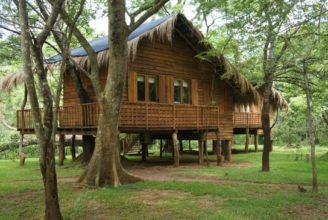
Located in Habarana, The Other Corner is a unique eco-retreat that perfectly mirrors the “nature-first” philosophy of your trip. Situated among paddy fields and traditional thatched-roof structures, it offers a truly immersive experience.
-
Birder’s Delight: The lodge grounds themselves are an extension of the forest; you can often spot over 50 species of birds without leaving the property.
-
Authentic Charm: Enjoy the rustic-luxury cabins and the sound of the wind through the trees as you recount the day’s sightings.
-
Board Includes: Breakfast & Dinner.
Naturalist Tips for Day 12
-
Ritigala’s Climate: Because of its elevation, Ritigala is often cooler and more humid than the surrounding plains. Wear sturdy walking shoes for clambering over the ancient boulders.
-
The “Great Migration”: Your guide may suggest swapping Kaudulla for the nearby Minneriya or Eco-Park depending on where the largest elephant herds have moved that day—they follow the water, and we follow them!
-
Golden Hour: The late afternoon light at Kaudulla reservoir is perfect for wildlife photography, offering wide-open vistas and dramatic reflections on the water.
- Board Includes:
- Breakfast
- Dinner
Show More
Day 13: Lakeside Serenity & The Gateway to the North: Mannar
Your journey today takes you from the lush, central heart of the island to the rugged, windswept landscapes of the far north. You’ll begin with a peaceful morning on the water before traveling to the historic and ecologically unique island of Mannar.
Day 13 Itinerary Highlights
Morning: Habarana Lake Boat Safari
Before leaving the Cultural Triangle, experience the waking world of Habarana Lake. This vast, lily-covered reservoir is a sanctuary for birdlife and a masterpiece of ancient irrigation.
-
A Birdwatcher’s Haven: With 138 recorded species, the lake offers incredible sightings of the Grey-headed Fish Eagle, Oriental Darter, and the vibrant Stork-billed Kingfisher.
-
Lush Vistas: Drifting silently on a traditional boat allows you to witness the lake’s endangered inhabitants and local wildlife—like water buffalo and monitors—without disturbance. The view of Sigiriya Rock rising in the distance from the water is truly one of Sri Lanka’s most breathtaking sights.
Journey to Mannar
After your safari, you will begin the 4-hour drive toward the northwest coast. As you travel toward Mannar, the landscape changes dramatically: the dense green forests give way to arid plains, ancient baobab trees, and the vast salt marshes that define this coastal corridor. Mannar is a bridge between cultures and a vital stop for thousands of migratory birds crossing the Palk Strait.
Arrival at the Edge of the Map
Mannar feels like a world of its own. Known for its wild donkeys, colonial fort, and the legendary “Adam’s Bridge” (Rama Setu), it is a place of profound stillness and raw beauty. Upon arrival, the salt-tinged air and the sight of flamingos in the distance signal your entry into one of Sri Lanka’s last wild frontiers.
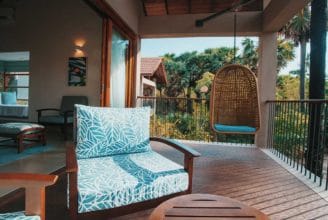
Your Stay: Palmyrah House
Located in the heart of Mannar Island, Palmyrah House is a luxury boutique sanctuary that offers an elegant base for exploring the north.
-
Refined Comfort: The hotel features fourteen elegantly furnished rooms designed to provide maximum relaxation after a day of travel.
-
Birding at Your Doorstep: The property is set within a sprawling estate that attracts a variety of local birdlife, making it an ideal spot for a quiet evening stroll with your binoculars.
-
Board Includes: Breakfast & Dinner.
Naturalist Tips for Mannar
-
The Giant Baobab: Ask your guide to stop at the famous Pallimunai Baobab Tree, believed to have been planted by Arab traders over 700 years ago.
-
The Flamingo Factor: Mannar is the premier location in Sri Lanka to see Greater Flamingos. Your guide will check the local lagoons and mudflats to find the best viewing spots.
-
North-Western Light: The sunsets in Mannar are legendary. The flat horizon and vast water bodies create a “big sky” effect that is a dream for landscape photographers.
- Board Includes:
- Breakfast
- Dinner
Show More
Day 14: Exploring the Wild Frontier of Mannar Island
Today is dedicated to the raw, sun-drenched beauty of Mannar Island. This unique “tongue-shaped” peninsula is a place where the air is thick with the scent of salt and the sound of the wind. Positioned at the very edge of Sri Lanka, where the island almost touches India, Mannar is a critical sanctuary for biodiversity and a landscape unlike any other in the country.
Day 14 Itinerary Highlights
A Birdwatcher’s Paradise
Mannar is arguably the most important site in Sri Lanka for wintering migratory birds. From November to March, the mudflats and salt marshes become a bustling metropolis for travelers from the Northern Hemisphere.
-
The Flamingo Spectacle: Witness thousands of Greater Flamingos creating a sea of pink across the shallow lagoons—one of the most iconic sights in Asian birding.
-
Migratory Marvels: Spot a dizzying array of ducks, waders, and gulls, including the Northern Pintail, Garganey, Heuglin’s Gull, and the rare Grey Francolin in the scrublands.
-
Unique Raptors: Keep an eye on the thermals for the White-bellied Sea Eagle and the Peregrine Falcon, which hunt across the open plains.
The Border of Two Seas
Explore the unique geography of the peninsula, where the Gulf of Mannar meets the Palk Bay.
-
Adam’s Bridge (Rama Setu): Visit the legendary chain of limestone shoals that once connected Sri Lanka to India. It is a place of immense religious, historical, and geological significance.
-
Wild Donkeys & Baobabs: Encounter the famous feral donkeys of Mannar—descendants of animals brought by Arab traders centuries ago—and stand in the shadow of ancient Baobab trees, some of which are over 700 years old.
Discovery & Culture
Wander through the historic Mannar Fort, built by the Portuguese in 1560 and later fortified by the Dutch. The ruins provide a poignant backdrop to the island’s strategic history as a center for pearl diving and maritime trade.
Your Stay: Palmyrah House
Return to the refined sanctuary of Palmyrah House for a second night. After a day in the sun and wind, the boutique comfort of the lodge offers a perfect contrast to the rugged outdoors.
-
Board Includes: Breakfast, Lunch, and Dinner.
-
Afternoon Relaxation: Enjoy a dip in the pool or explore the hotel’s library to learn more about the northern region’s fascinating history and wildlife.
Naturalist Tips for Mannar
-
Sun Protection: Mannar is famous for its intense sun. Wear high-SPF sunscreen, a wide-brimmed hat, and polarized sunglasses to cut the glare off the water and white sand.
-
Binoculars are Key: Many of the best birding spots are vast mudflats; having a good pair of binoculars (or using your guide’s spotting scope) is essential for identifying the distant flocks.
-
The Vibe: Mannar is much quieter and less “touristy” than the south. Embrace the slow pace and the feeling of being at the edge of the world.
- Board Includes:
- Breakfast
- Lunch
- Dinner
Show More
Day 15: From the Northern Sands to the Land of Lakes
Today you journey from the arid tip of the northwest to Wilpattu National Park, Sri Lanka’s largest and oldest protected wilderness. Known as the “Land of Lakes,” Wilpattu offers a starkly different safari experience than the south—characterized by deep forests, white-sand tracks, and a sense of true isolation.
Day 15 Itinerary Highlights
The Road to Wilpattu
The drive from Mannar to Wilpattu takes approximately 2 to 2.5 hours. As you travel south, the open salt marshes of the north transition into the “Dry Zone” evergreen forests. This region is steeped in legend; Wilpattu is said to be the site where Prince Vijaya (the founder of the Sinhalese nation) landed in 543 BC.
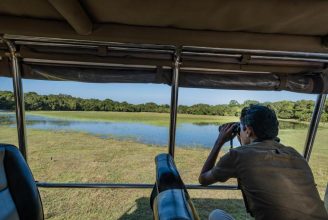
Afternoon Jeep Safari: Tracking the Apex Predators
Wilpattu is world-renowned for its leopard population. Unlike the rocky outcrops of Yala, here you track leopards through dense scrub and around the park’s signature Villus—natural, rainwater-filled basins.
-
The “Villu” Ecosystem: These 48 natural lakes are the lifeblood of the park. You will spend your afternoon circling these basins, where wildlife congregates to drink.
-
The Big Three: While searching for the Sri Lankan Leopard, keep a sharp eye out for the Sloth Bear, which is often seen vacuuming up termites in the soft soil, and the Asian Elephant.
-
Avian Diversity: The lakes are home to many water birds, including the Painted Stork, Whistling Teal, and the majestic White-bellied Sea Eagle.
The Wild Luxury Experience
After your safari, you will head to your campsite located just outside the park boundary. Arriving at dusk, you’ll find the camp illuminated by lanterns and the smell of a wood-fired dinner—a perfect end to a day in the bush.
Your Stay: Leopard Trails – Wilpattu
Leopard Trails provides a “glamping” experience that redefines wild luxury. It combines the nostalgia of early explorers with modern, world-class service.
-
Bespoke Tents: Stay in large, air-conditioned canvas tents featuring plush bedding and en-suite bathrooms.
-
Expert Naturalists: The camp’s own rangers will join you to share deep insights into animal behavior and tracking techniques.
-
Dining under the Stars: Enjoy a multi-course dinner served in the heart of the wilderness, accompanied by the sounds of the night forest.
-
Board Includes: Breakfast, Lunch, and Dinner.
Naturalist Tips for Wilpattu
-
The Patience Factor: Wilpattu is thick with vegetation; sightings often require patience and “listening” to the forest for alarm calls from Spotted Deer or Langurs.
-
Sand & Dust: The park’s tracks are sandy and can be dusty. A light scarf or “buff” can be helpful for comfort during the drive.
-
Nocturnal Life: Keep your flashlight handy at camp; the buffer zone is active with Small Civets, Flying Squirrels, and the occasional Slender Loris.
- Board Includes:
- Breakfast
- Lunch
- Dinner
Show More
Day 16: The Ultimate Wilderness – Full Day in Wilpattu
Today is dedicated to a deep immersion into the “Land of Lakes.” By spending a full day inside Wilpattu National Park, you gain the rare opportunity to venture into the park’s more remote interior, far from the reach of half-day visitors. From the golden light of dawn to the dramatic shadows of dusk, you will witness the full cycle of the dry-zone forest.
Day 16 Itinerary Highlights
Dawn Patrol: The Big Three & More
The safari begins at first light, the peak time for predator activity. With your expert naturalist from Leopard Trails, you will track the park’s famous inhabitants:
-
The Sri Lankan Leopard: Watch for them draped over the limbs of a Palu tree or crossing the sandy tracks as they patrol their territory.
-
The Sloth Bear: Early morning is the best time to see these shaggy-coated bears foraging for berries or digging into termite mounds.
-
The Asian Elephant: Observe small herds or solitary “tuskers” emerging from the forest to drink at the various villus.
The Villu Ecosystem & Riverine Life
As the sun rises higher, the action centers around the 48 natural rainwater lakes. These basins attract a massive variety of wildlife:
-
Reptiles & Grazers: Spot Mugger Crocodiles basking on the banks, while Spotted Deer (Axis deer), Barking Deer, and Wild Boar remain vigilant in the open grassy plains.
-
Aquatic Giants: Keep an eye out for the massive Water Buffalo wallowing in the mud and the occasional Python sunning itself near the water’s edge.
Endemic Birding in Riverine Habitats
Wilpattu is a haven for ornithologists. Today, your guide will specifically look for the park’s avian specialties:
-
Ceylon Junglefowl: Sri Lanka’s national bird, often seen strutting with vibrant plumage in the undergrowth.
-
Riverine Specialists: Look for the Brown-capped Babbler, Ceylon Woodshrike, and the Black-capped Bulbul in the lush, shaded areas near the water.
Bush Breakfast & Picnic Lunch
To maximize your time in the wild, you won’t return to camp for midday. Instead, enjoy a gourmet picnic lunch set up by your crew in a designated, safe scenic spot within the park. This allows you to experience the stillness of the forest during the quietest part of the day, often rewarding you with unexpected sightings when other vehicles have departed.
Your Stay: Leopard Trails – Wilpattu
Return to camp as the sun sets, perhaps spotting a Nightjar or a Civet on the way back. After a full day in the dust and sun, a hot shower and a cold drink by the campfire await.
-
Board Includes: Breakfast, Picnic Lunch, and Dinner.
-
Evening Experience: Share your “sighting of the day” with fellow travelers during a traditional Sri Lankan BBQ dinner under the stars.
Naturalist Tips for a Full Day Safari
-
The “Alarm Call” Strategy: Your guide will often stop the Jeep and turn off the engine to listen. The barking of a deer or the chatter of a langur monkey are often the first clues that a leopard is nearby.
-
Binocular Readiness: In Wilpattu’s dense scrub, animals can be perfectly camouflaged. Use your binoculars to scan the shadows—that “rock” or “log” might just be a sleeping leopard.
-
Comfort First: Since you’ll be in the Jeep for several hours, wear breathable cotton clothing and bring a light scarf to protect against the fine white sand dust of the park roads.
- Board Includes:
- Breakfast
- Lunch
- Dinner
Show More
Day 17: Wilpattu Morning Chorus → Coastal Negombo
Your final full day in the wilderness begins with a focused exploration of the Wilpattu buffer zone and riverine forests. After a morning immersed in the sights and sounds of the dry-zone avian life, you will travel south to the lively coastal town of Negombo to conclude your journey by the sea.
Day 17 Itinerary Highlights
Morning: Riverine Birdwatching Walk
Before leaving the “Land of Lakes,” enjoy a specialized birdwatching walk. Exploring on foot allows for a much more intimate connection with the ecosystem than a Jeep safari. Your naturalist will guide you through the riverine habitats where the vegetation is lush and the birdlife is dense.
-
The Endemic List: Focus on ticking off the remaining island specialties, such as the Ceylon Junglefowl, the secretive Brown-capped Babbler, and the Ceylon Woodshrike.
-
Canopy Residents: Listen for the distinct calls of the Black-capped Bulbul and look for the metallic flash of Sunbirds darting through the flowering trees.
-
Butterflies & Flora: Morning walks are also excellent for spotting the vibrant butterfly species of the dry zone and learning about the medicinal uses of the local flora.
The Journey to the Coast
After a final breakfast at your camp, you will begin the drive to Negombo (approximately 3.5 to 4 hours). As you travel south, the wild scrub of Wilpattu gives way to the coconut groves and lagoons of the western coast. Negombo, known as “Little Rome” for its numerous churches, is a historic fishing hub with a vibrant, laid-back atmosphere.
Sunset by the Indian Ocean
Upon arrival and check-in, spend your final evening in Sri Lanka reflecting on your 17-day adventure. The wide sandy beaches of Negombo offer a perfect vantage point for one last tropical sunset over the Indian Ocean.
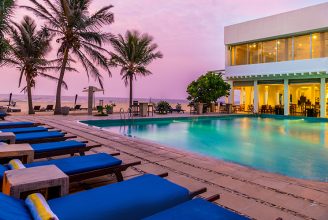
Your Stay: Jetwing Sea
Located directly on the beach, Jetwing Sea is a superior hotel that blends contemporary luxury with a holistic coastal experience.
-
Holistic Relaxation: Take advantage of the rooftop spa for a final Ayurvedic treatment or enjoy a dip in one of the two infinity pools.
-
Modern Comfort: The rooms are designed to offer a serene escape, with the sound of the waves providing a soothing soundtrack to your evening.
-
Board Includes: Breakfast & Dinner.
Naturalist Tips for Your Final Day
-
The “Lifer” Check: Use the morning walk to review your birding log with your guide; they can help identify any mystery calls or sightings you’ve recorded throughout the trip.
-
Last-Minute Photography: The soft morning light in the Wilpattu riverine forest is arguably the best for bird photography—keep your shutter speed high and your ISO ready for the shaded canopy.
-
Negombo’s Lagoons: If you have extra energy in the afternoon, the Negombo lagoon is another excellent spot for waterbird sightings, including herons and egrets.
- Board Includes:
- Breakfast
- Dinner
Show More
Day 18: Homeward Bound – End Of Tour
Your 18-day wildlife and birdwatching odyssey across the “Teardrop of the Indian Ocean” comes to a close today. After a final breakfast overlooking the Negombo coastline, it is time to begin your journey home, carrying with you memories of misty rainforests, ancient ruins, and the incredible biodiversity of Sri Lanka.
Day 18 Highlights
The Final Transfer
Because of Negombo’s strategic location, your travel time to Colombo International Airport (CMB) is a brief and stress-free 20 minutes. Your private vehicle and guide will be ready to transport you directly to the departures terminal, ensuring you arrive with plenty of time for check-in and last-minute souvenir shopping.
Reflections on a Wild Journey
As you head to the airport, take a moment to look back on the extraordinary range of habitats you’ve explored:
-
The endemic “bird waves” of Sinharaja.
-
The pink-hued lagoons of Bundala and Mannar.
-
The windswept highlands of Horton Plains.
-
The leopard-filled basins of Wilpattu.
The “Lifer” List Finalized
With 34 endemic bird species and the “Big Three” mammals (Leopard, Elephant, and Sloth Bear) on the island, this is the perfect time to finalize your birding checklist and exchange contact details with your specialist naturalist guide, who has shared their deep knowledge and passion with you over the last two weeks.
Departure Tips
-
Arrive Early: For international flights, it is recommended to arrive at the airport at least 3 hours before departure.
-
Souvenirs: The airport is an excellent place to pick up high-quality Ceylon Tea or local spices if you haven’t already.
-
Travel Documents: Keep your passport and boarding pass easily accessible. If you have any wildlife photography gear, ensure it is securely packed and meets airline weight requirements.
Thank You for Traveling with Earth Trip
It has been a privilege to guide you through the wild heart of Sri Lanka. We hope this journey has deepened your connection to the natural world and that you return home inspired by the conservation efforts and raw beauty of this island nation.
- Board Includes:
- Breakfast
Show More
Included:
- Private transportation in fully air conditioned vehicle
- Accommodation as per itinerary
- Admission fees to all mention attractions
- English speaking guide as per itinerary
- Meals as mentioned in the itinerary
- Airport meet & greet in all airports
Not Included:
- Gratuities for services and guides
- Expenses on personal nature
- Anything else not listed in the itinerary
- Optional excursions
- Personal & medical insurances
- Flights are not included in the tour price, but we are happy to help you find the best and most suitable flight connections for your trip.
Tailor Your Tour - Potential Highlights
- Witness the "Bird Wave" phenomenon in the prehistoric Sinharaja Rainforest.
- Game Drive at Wilpattu National Park Safari
- Reach the ‘World’s End’ at Horton Plains National Park Safari
- See flamingos at the bird lovers favourite Bundala National Park
- Visit Kandy’s Peradeniya Botanical Gardens for the Bats and Birds
- Identify endemic bird species with the help of specialist naturalist guides
- Track the "Big Three"—Leopard, Sloth Bear, and Elephant—in the island’s premier national parks.
- Taste fresh Seafood and Sri Lankan curry
Tailor-Made for Your Rhythm
While this 18-day expedition is designed for maximum biodiversity, we understand that every naturalist has a different pace. At Earth Trip, we specialize in bespoke wildlife travel.
-
Slower Paces: This is a comprehensive tour, but it can be adjusted. If you want to spend two full days at Sinharaja to ensure you spot the Serendib Scops Owl, or need a “recovery day” by the pool in Kalametiya, we can extend the itinerary to fit your needs.
-
Your Choice of Sanctuary: The accommodations selected—from the eco-luxury of Leopard Trails to the boutique charm of Palmyrah House—are chosen for their proximity to wildlife. However, we can swap any stay to match your style, whether you prefer rugged safari tents or high-end colonial manors.
-
Specialist Focus: Are you a professional photographer? A dragon-fly enthusiast? Or perhaps traveling with a non-birding partner? We can customize daily activities to ensure everyone is engaged, swapping a morning trek for a village visit or a spa session.
Frequently Asked Questions
1. Is this tour suitable for serious birdwatchers and photographers? Yes, this is our most specialized nature tour. We pair you with “Naturalist Chauffeur-Guides” who are experts in bird calls, animal behavior, and the best lighting spots for photography. We can also adjust the daily schedule to ensure you are in the parks during the “golden hours.”
2. Can I adjust the itinerary to focus only on endemics? Absolutely. If your goal is to “clean up” the 34 endemic birds of Sri Lanka, we can tighten the route to focus specifically on the key hotspots: Sinharaja, Kitulgala, and Horton Plains, while perhaps spending less time in the cultural triangle.
3. What should I pack for such diverse climates? You will experience everything from the humid 30°C heat of the coastal wetlands to the 10°C crisp air of the highlands. We recommend lightweight, neutral-colored clothing for safaris, a warm fleece for Nuwara Eliya, and sturdy, waterproof hiking boots for the rainforest.
4. How long are the travel times between destinations? Sri Lanka is small, but the terrain is varied. Most transfers on this tour average 3–4 hours. You will travel in a private, air-conditioned vehicle, and your guide will make stops at scenic viewpoints, local fruit stalls, or birding “pockets” along the way to break up the journey.
5. What is the best time for migratory birdwatching? To see the greatest variety of species, including the thousands of migrants that fly in from the Northern Hemisphere, the best time to book this tour is between November and March. During this window, locations like Mannar and Bundala are teeming with life.
6. Are the National Park safaris private? Yes. All jeep safaris included in our tours are private for your party. You will not be squeezed into a vehicle with strangers, allowing you and your guide to spend as much time as you like at a particular sighting.
Compleate List of Endemic Birds Of Sri Lanka:
Sri Lanka is a world-class birding destination, home to 34 endemic species (though some checklists vary slightly due to recent taxonomic splits). Most of these can be found in the “Wet Zone” rainforests and the Central Highlands.
Here is the complete list of the 34 endemic birds and the primary locations where you can spot them:
Wet Zone & Lowland Rainforests
Primary Locations: Sinharaja Forest Reserve, Kitulgala (Kelani Valley), and Kanneliya.
Montane & Hill Country Forests
Primary Locations: Horton Plains National Park, Nuwara Eliya (Victoria Park), and Hakgala.
Widespread Endemics
These can be found across various zones, from the Wet Zone to the Dry Zone forests.
Tip for your trip: If you want to see the maximum number of endemics in a single location, Sinharaja Forest Reserve is the crown jewel—all but the high-altitude specialists (like the Whistling Thrush and Bush Warbler) can be found there.

Unsure Where To Start?
Connect with a specialist to craft your journey.


Our travel specialists are seasoned explorers with deep local insights. Whether it’s uncovering hidden gems or planning immersive cultural experiences, we design trips that go beyond the ordinary. Get in touch today!
Request A Video MeetingTailor Your Tour - Potential Highlights
- Witness the "Bird Wave" phenomenon in the prehistoric Sinharaja Rainforest.
- Game Drive at Wilpattu National Park Safari
- Reach the ‘World’s End’ at Horton Plains National Park Safari
- See flamingos at the bird lovers favourite Bundala National Park
- Visit Kandy’s Peradeniya Botanical Gardens for the Bats and Birds
- Identify endemic bird species with the help of specialist naturalist guides
- Track the "Big Three"—Leopard, Sloth Bear, and Elephant—in the island’s premier national parks.
- Taste fresh Seafood and Sri Lankan curry
Tailor-Made for Your Rhythm
While this 18-day expedition is designed for maximum biodiversity, we understand that every naturalist has a different pace. At Earth Trip, we specialize in bespoke wildlife travel.
-
Slower Paces: This is a comprehensive tour, but it can be adjusted. If you want to spend two full days at Sinharaja to ensure you spot the Serendib Scops Owl, or need a “recovery day” by the pool in Kalametiya, we can extend the itinerary to fit your needs.
-
Your Choice of Sanctuary: The accommodations selected—from the eco-luxury of Leopard Trails to the boutique charm of Palmyrah House—are chosen for their proximity to wildlife. However, we can swap any stay to match your style, whether you prefer rugged safari tents or high-end colonial manors.
-
Specialist Focus: Are you a professional photographer? A dragon-fly enthusiast? Or perhaps traveling with a non-birding partner? We can customize daily activities to ensure everyone is engaged, swapping a morning trek for a village visit or a spa session.
Frequently Asked Questions
1. Is this tour suitable for serious birdwatchers and photographers? Yes, this is our most specialized nature tour. We pair you with “Naturalist Chauffeur-Guides” who are experts in bird calls, animal behavior, and the best lighting spots for photography. We can also adjust the daily schedule to ensure you are in the parks during the “golden hours.”
2. Can I adjust the itinerary to focus only on endemics? Absolutely. If your goal is to “clean up” the 34 endemic birds of Sri Lanka, we can tighten the route to focus specifically on the key hotspots: Sinharaja, Kitulgala, and Horton Plains, while perhaps spending less time in the cultural triangle.
3. What should I pack for such diverse climates? You will experience everything from the humid 30°C heat of the coastal wetlands to the 10°C crisp air of the highlands. We recommend lightweight, neutral-colored clothing for safaris, a warm fleece for Nuwara Eliya, and sturdy, waterproof hiking boots for the rainforest.
4. How long are the travel times between destinations? Sri Lanka is small, but the terrain is varied. Most transfers on this tour average 3–4 hours. You will travel in a private, air-conditioned vehicle, and your guide will make stops at scenic viewpoints, local fruit stalls, or birding “pockets” along the way to break up the journey.
5. What is the best time for migratory birdwatching? To see the greatest variety of species, including the thousands of migrants that fly in from the Northern Hemisphere, the best time to book this tour is between November and March. During this window, locations like Mannar and Bundala are teeming with life.
6. Are the National Park safaris private? Yes. All jeep safaris included in our tours are private for your party. You will not be squeezed into a vehicle with strangers, allowing you and your guide to spend as much time as you like at a particular sighting.
 Birds & Wildlife of Sri Lanka Holiday 2027 & 2028
-
© 2026 Earth Trip