












Ankarafantsika National Park: Dry Forest Wildlife & Canyons Guide
Ankarafantsika National Park, situated in the northwest of Madagascar, is one of the island’s last remaining stands of dense dry deciduous forest. This 135,000-hectare sanctuary is a mosaic of diverse ecosystems, ranging from sandy savannas and scrubland to lush wetlands and dramatic geological formations. It serves as a vital refuge for endangered species and is a cornerstone for conservation in the Boeny region, acting as a living laboratory for biodiversity.
Experience Highlights
The Majestic Lavaka of Ankarokaroka One of the park’s most striking features is the Ankarokaroka Canyon. This massive, naturally eroded depression—known locally as a lavaka—showcases a stunning array of red, ochre, and white sand formations. A trek to the canyon’s edge provides breathtaking views of the “moon-like” landscape, created over millennia by the forces of wind and water, offering a stark geological contrast to the surrounding green forest.
Boating on Lake Ravelobe For a different perspective of the park, a boat trip on Lake Ravelobe is essential. This large freshwater lake is bordered by thick reeds and lily pads, providing a sanctuary for aquatic wildlife. As you glide across the water, you can observe the daily rhythms of the forest from a distance, watching as birds and reptiles congregate along the shoreline.
Day and Night Forest Treks Ankarafantsika is famous for its well-maintained trail networks that cater to all levels of adventure. Daytime treks through the dry forest allow you to witness the unique flora and fauna that have adapted to the region’s distinct seasons. When evening falls, the park transforms; a guided night walk reveals a different world, where the forest floor and canopy come alive with nocturnal lemurs and elusive geckos.
Key Species to Spot
Primates: Coquerel’s Sifaka (the park’s iconic “dancing” lemur), Common Brown Lemur, Mongoose Lemur, and the nocturnal Milne-Edwards’ Sportive Lemur and Golden-brown Mouse Lemur.
Birdlife: A premier birding destination with 129 recorded species, including the rare Madagascar Fish Eagle, the Madagascar Jacana, and the Schlegel’s Asity.
Reptiles & Amphibians: Massive Nile Crocodiles (found in Lake Ravelobe), Oustalet’s Chameleons, Rhinoceros Chameleons, and the Madagascar Ground Boa.
Flora: Massive Baobabs (Adansonia madagascariensis), valuable hardwoods like rosewood and ebony, and various medicinal plants used by local communities.
Climate & Best Time to Visit
Ankarafantsika experiences a distinct dry tropical climate:
April to November: The dry season is the most popular time to visit. The cooler temperatures and clear skies make trekking comfortable, and wildlife is often easier to spot near permanent water sources.
August to October: Ideal for birdwatchers, as many species are in their breeding plumage and are most vocal.
The Earth Trip Experience
At Earth Trip, we recommend Ankarafantsika for those seeking a rugged and authentic encounter with Madagascar’s western wilderness. We partner with expert local guides who possess a deep knowledge of the dry forest’s complex ecology. Whether you are photographing sifakas in the canopy or marvelling at the colours of the Ankarokaroka Canyon, Ankarafantsika provides a profound insight into the resilience of the island’s unique nature.
Ready to explore the canyons and dry forests of the Northwest? Enquire Today about a Tailor-Made Madagascar Holiday
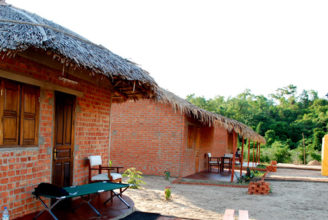
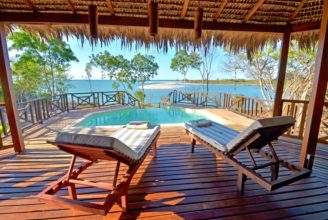
Local Hotels

Unsure Where To Start?
Connect with a specialist to craft your journey.


Each specialist has travelled extensively in the countries they plan. Whether it’s uncovering hidden gems or planning immersive cultural experiences, we design trips that go beyond the ordinary. Get in touch today!
Request A Video Meeting
Speak to our Madagascar travel expert today
Aleem Raheem, Co-Founder and Sustainable Travel Expert | Earth Trip
Speak to our Madagascar travel expert today
Aleem Raheem, Co-Founder and Sustainable Travel Expert | Earth Trip
 Ankarafantsika National Park: Dry Forest Wildlife & Canyons Guide