












Fort Dauphin (Tolagnaro): Where the Rainforest Meets the Sea
Fort Dauphin, also known as Tolagnaro, is a captivating port town located on a jagged peninsula in Madagascar’s far southeast. This region is a unique ecological crossroads where three distinct worlds collide: the humid tropical rainforest of the east, the arid spiny thicket of the south, and the brilliant blue waters of the Indian Ocean. With its backdrop of the jagged Anosyan Mountains and its sweeping, wind-swept beaches, Fort Dauphin is one of the most scenic and atmospheric destinations on the island.
Experience Highlights
A Gateway to Unique Reserves Fort Dauphin serves as the essential base for exploring some of the island’s most famous private and national parks. From here, you can travel to world-renowned reserves famous for their “dancing” sifakas and gallery forests. The proximity to both wet and dry ecosystems means you can see a staggering variety of lemurs and plants within a short distance of the town.
Pristine Beaches & Surfing The town is surrounded by spectacular beaches, such as Libanona and Nahampoana. These sandy stretches are framed by granite boulders and offer excellent opportunities for swimming and relaxing. For those seeking adventure, the area is a premier spot for surfing and windsurfing, with consistent swells rolling in from the southern ocean.
Nahampoana Reserve Located just seven kilometres from the town centre, the Nahampoana Reserve is a lush botanical garden and wildlife sanctuary. It is an ideal spot for a gentle introduction to Madagascar’s wildlife, where Ring-tailed Lemurs and Verreaux’s Sifakas roam freely among bamboo forests, eucalyptus trees, and native palms.
Key Species to Spot
-
Primates: The iconic Ring-tailed Lemur, the “dancing” Verreaux’s Sifaka, and the Southern Bamboo Lemur.
-
Reptiles: Look for the radiated tortoise and various species of chameleons that thrive in the transition zones between forests.
-
Birdlife: A haven for coastal and forest birds, including the Giant Coua and the Madagascar Crested Ibis.
-
Flora: The rare Triangular Palm (Dypsis decaryi), which is endemic to this specific corner of the island, and the surreal pitcher plants found in the nearby marshes.
Climate & Best Time to Visit
Fort Dauphin has a pleasant, maritime climate, though it is often breezier than other parts of the island:
-
September to December: These months offer the best balance of warm weather and lower rainfall, making it the prime time for wildlife viewing and beach activities.
-
June to August: The coolest months, ideal for trekking in the Anosyan Mountains, though the sea can be quite brisk.
The Earth Trip Experience
At Earth Trip, we often feature Fort Dauphin as a standalone coastal retreat or as the final destination of an expedition through the deep south. We recommend a stay here to appreciate the dramatic change in landscape—moving from the limestone needles or the dry forests of the west to this lush, oceanic peninsula. Our local partners provide private transfers and guided excursions that highlight the rich history of the town and its incredible natural surroundings.
Ready to explore the stunning coastlines and lemur-filled forests of the South? Enquire Today about a Tailor-Made Madagascar Holiday
Local Hotels


Unsure Where To Start?
Connect with a specialist to craft your journey.


Our travel specialists are seasoned explorers with deep local insights. Whether it’s uncovering hidden gems or planning immersive cultural experiences, we design trips that go beyond the ordinary. Get in touch today!
Request A Video Meeting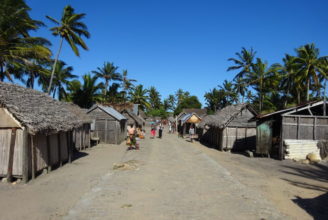
 Fort Dauphin (Tolagnaro): Where the Rainforest Meets the Sea