












Masoala National Park: Where the Rainforest Meets the Sea
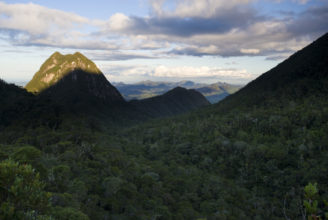
Masoala National Park is Madagascar’s largest protected area and a UNESCO World Heritage site of unparalleled biodiversity. Covering 2,300 square kilometres of primary rainforest, flooded forests, and marine reserves, this remote peninsula in the Northeast is the only place on Earth where the jungle spills directly onto pristine coral beaches.
Why Masoala is a “Mega-Diverse” Sanctuary
Masoala is a world-renowned destination for naturalists and wildlife photographers. Because of its remote location and vast size, it remains one of the most pristine ecosystems in the Indian Ocean. It is a land of extremes, housing everything from the rare Red-ruffed Lemur to the elusive Madagascar Serpent Eagle, all set against a backdrop of ancient hardwoods and turquoise lagoons.
Rare Wildlife of the Peninsula
The isolation of the Masoala Peninsula has allowed unique species to thrive that are found nowhere else in Madagascar.
1. The Red-Ruffed Lemur
The “star” of Masoala is the Red-ruffed Lemur (Varecia rubra). With its striking rust-colored fur and loud, barking calls, this large primate is endemic specifically to the forests of the peninsula. Observing them leaping through the high canopy is one of Madagascar’s most iconic wildlife sights.
2. Elusive Forest Dwellers
Masoala is the best location to search for some of the island’s most mysterious creatures:
-
The Helmet Vanga: Recognisable by its massive, bright blue beak.
-
The Lowland Streaked Tenrec: A colorful, quill-covered insectivore found on the forest floor.
-
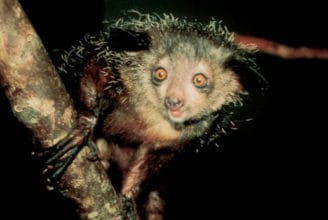
The Aye-aye: While nocturnal and rare, the coastal fringes of the park offer some of the best chances for a sighting.
Three Marine Parks: A Blue Frontier
Masoala is not just about the forest; it includes three distinct marine reserves—Tampolo, Ambodilaitra, and Ifaho.
-
Snorkeling & Kayaking: Explore vibrant coral gardens just meters from the shore, home to green sea turtles and colorful reef fish.
-
Whale Watching: From July to September, the waters of Antongil Bay become a nursery for migrating Humpback Whales, which can often be seen from the beach.
Plan Your Visit: Practical Information
-
Access: Reaching Masoala is an adventure in itself. Access is typically via a domestic flight to Maroantsetra, followed by a two-hour speedboat journey across Antongil Bay.
-
Accommodation: Earth Trip selects eco-lodges that offer a high level of comfort while maintaining a low environmental footprint. These lodges are often accessible only by boat, providing total seclusion.
-
The Terrain: Expect humid conditions and varied trails. While some paths are flat coastal walks, others involve trekking into the primary forest to find rare birdlife and lemurs.
Remote Expeditions with Earth Trip
We coordinate every detail of your Masoala journey, from the complex boat logistics to the permits required for the marine and terrestrial parks. Our specialist guides are experts in the specific flora and fauna of the peninsula, ensuring your visit is both educational and responsible.
Explore the final frontier of Madagascar. Inquire about our Masoala Peninsula Expeditions or speak with our experts to start planning your bespoke journey.
Masoala National Park is home to 10 species of lemurs, including several rare and highly sought-after species.1
The most notable lemur species found in Masoala are:
| Lemur Species | Activity Pattern | Key Note |
| Red Ruffed Lemur (Varecia rubra) | Diurnal (Daytime) | Endemic to the Masoala Peninsula, this large, striking red and black lemur is the park’s most iconic species. |
| Aye-aye (Daubentonia madagascariensis) | Nocturnal (Nighttime) | A rare, bizarre-looking lemur known for its unique finger. Its presence in the park’s forests and on Nosy Mangabe is a major conservation focus. |
| White-fronted Brown Lemur (Eulemur albifrons) | Diurnal (Daytime) | A commonly sighted species on the peninsula. |
| Masoala Woolly Lemur (Avahi mooreorum) | Nocturnal (Nighttime) | An eastern woolly lemur subspecies that is endemic to the Masoala region. |
| Eastern Fork-marked Lemur (Phaner furcifer) | Nocturnal (Nighttime) | Known for the distinctive black fork-shaped stripe on its head. |
| Mouse Lemur (Various spp.) | Nocturnal (Nighttime) | Several species, including the Brown Mouse Lemur, are common and active at night. |
Visitors typically observe the diurnal species during day hikes and the nocturnal species during guided night walks.

Unsure Where To Start?
Connect with a specialist to craft your journey.


Our travel specialists are seasoned explorers with deep local insights. Whether it’s uncovering hidden gems or planning immersive cultural experiences, we design trips that go beyond the ordinary. Get in touch today!
Request A Video MeetingOther Popular Experiences
 Masoala National Park: Where the Rainforest Meets the Sea