












Yala National Park: In Search of the Leopard
Welcome to Yala National Park, Sri Lanka’s most celebrated wildlife destination. Situated on the island’s southeast coast, Yala offers one of the most thrilling safari experiences in Asia, boasting an extraordinary concentration of wildlife amidst a rugged, beautiful landscape of dry monsoon forests, open grasslands, and brackish lagoons. While it is the “Crown Jewel” of the island’s conservation efforts, its popularity means that a strategic approach is essential to experiencing its true, untamed soul.
Experience Highlights
-
The Sri Lankan Leopard: Yala is globally renowned for having one of the highest leopard densities in the world. The Sri Lankan leopard (Panthera pardus kotiya), an endemic and magnificent subspecies, is the star attraction. Unlike their more elusive counterparts elsewhere, Yala’s leopards are often seen basking on rocky outcrops or languidly crossing the tracks.
-
The “Big Three”: Beyond the leopard, Yala is a vital habitat for the Asian Elephant and the Sloth Bear. Seeing all three in a single day is a coveted “safari hat-trick” that Yala makes possible.
-
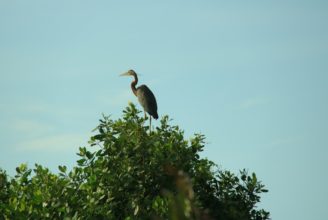
A Birdwatcher’s Paradise: With over 215 recorded species, the park is a major hub for both endemic and migratory birds. Look for the rare Black-necked Stork, the Crested Serpent Eagle, and the vibrant Painted Stork congregating around the lagoons.
-
Sithulpawwa Rock Temple: Nestled deep within the park is this 2nd-century BC Buddhist monastery. It serves as a reminder that Yala is not just a wilderness, but a landscape with thousands of years of human and spiritual history.
Expert Note: A Message from Aleem
“Yala is spectacular, but it can also be very busy. Having lived in the UK for over 25 years, I know that our guests value a refined, tranquil experience over being stuck in a ‘jeep traffic jam.’
To ensure you enjoy the wilderness as it was meant to be seen, we more often use Block 5 (the Weheragala Zone) for our safaris. While most visitors crowd into Block 1, we find that Block 5 offers a much quieter, more immersive atmosphere. The leopards move freely between these blocks, but in Block 5, you are often watching them with only one or two other jeeps rather than fifty. In 2026, the ‘quality over quantity’ approach is what sets an Earth Trip safari apart. We prioritize your peace and the animals’ comfort, ensuring a respectful and truly memorable encounter.”
— Aleem Raheem, Sri Lanka Specialist at Earth Trip
Earth Trip Favourite Fun Facts
-
Ancient Engineering: The park is dotted with ancient man-made reservoirs (tanks) that are over 1,500 years old. These still provide critical water sources for wildlife during the dry season.
-
The Largest Cat in Asia: The Sri Lankan leopard is the largest of all leopard subspecies in Asia because it is the island’s apex predator—it doesn’t have to compete with lions or tigers!
-
A Tsunami Shield: During the 2004 Tsunami, the coastal dunes of Yala protected much of the inland wildlife. Remarkably, researchers found that most large animals, including elephants, moved to higher ground long before the waves hit.
-
The “Walas Gamuwa”: Historically, Yala was known as a prime location for the “Walas” (Sloth Bear). Today, Wasgamuwa shares that title, but Yala remains one of the best places to see them foraging for termites in the scrub.
The Earth Trip Experience
At Earth Trip, we treat Yala with the sensitivity it deserves. Aleem and our team coordinate with expert local naturalists who understand animal behavior and territory. By choosing less-visited gates and blocks, we provide a bridge between luxury travel and raw, authentic exploration.
Your holiday is 100% protected through our Travel Trust Association (TTA) membership and comprehensive insurance. Our private transport network and dedicated fuel allocations ensure that even in the remote southeast, your travel remains entirely seamless and stress-free. We provide the security of a UK-based operator with the specialized, local insights of a veteran specialist.
Visiting Hours & Best Time to Visit
-
Ideal Timing: Early morning (6:00 AM) or late afternoon (2:30 PM) are the optimal times when predators are most active.
-
Best Season: February to July (Dry Season). As water sources recede, animals congregate around the remaining waterholes, significantly increasing your chances of sightings.
-
Block 5 Advantage: This zone is particularly beautiful in the morning light and provides a more rugged, forested terrain that feels like a true “hidden Yala.”
Local Hotels




Unsure Where To Start?
Connect with a specialist to craft your journey.


Our travel specialists are seasoned explorers with deep local insights. Whether it’s uncovering hidden gems or planning immersive cultural experiences, we design trips that go beyond the ordinary. Get in touch today!
Request A Video MeetingOther Popular Experiences

 Yala National Park