












Tsingy & The West: Madagascar’s Wild Frontier
The West Coast of Madagascar is a region of sublime beauty and dramatic geological wonders. It is a land where white-sailed dugout canoes glide across a sparkling turquoise ocean and ancient giants stand sentinel over the red earth. From the world-famous Avenue of the Baobabs to the razor-sharp limestone “forests” of the Tsingy de Bemaraha, the West offers a landscape that feels truly prehistoric. This is a region for the explorer, where the journey itself—often involving river crossings and off-road tracks—is as much a part of the adventure as the destination.
Experience Highlights
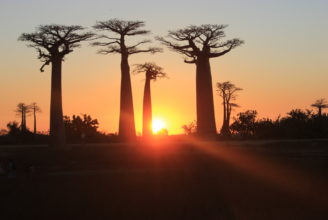
The Avenue of the Baobabs Perhaps the most iconic sight in all of Madagascar, the Avenue of the Baobabs features a cluster of massive Adansonia grandidieri trees lining the dirt road between Morondava and Belon’i Tsiribihina. These “upside-down trees,” some over 800 years old, are the remnants of a dense tropical forest. Standing among these giants at sunrise or sunset, when their silhouettes are cast against a fiery sky, is a spiritual experience that remains etched in the memory of every traveler.
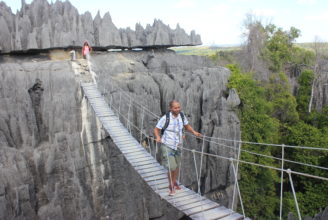
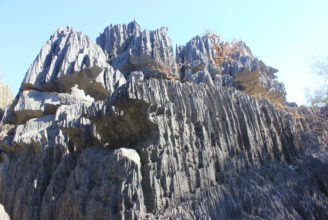
Tsingy de Bemaraha: The Stone Forest A UNESCO World Heritage site, the Great Tsingy is a massive fortress of sharp limestone pinnacles formed by centuries of erosion. Navigating this landscape is a thrill, involving suspension bridges, boardwalks, and harnesses as you traverse the “cathedrals” of rock. Beneath the jagged surface lies a network of canyons and caves, creating a unique microclimate where rare lemurs and birds thrive in the shaded depths.
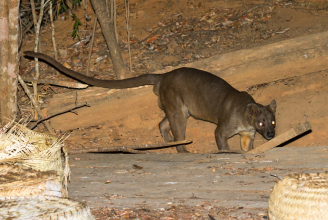
Kirindy Reserve & The Tsiribihina River For a true wilderness experience, a slow boat journey down the Tsiribihina River allows you to witness the daily life of the riverbanks, passing through gorges and stopping at hidden waterfalls. This journey often leads to the Kirindy Reserve, a private forest that is arguably the best place on the island to see Madagascar’s top predator, the Fossa, in its natural habitat.
Key Species to Spot
-
The Predator: The Fossa, a sleek, cougar-like carnivore that is the island’s apex predator.
-
Primates: Look for the Verreaux’s Sifaka, known for its “dancing” hop, and the tiny, nocturnal Madame Berthe’s Mouse Lemur—the smallest primate in the world.
-
Birdlife: The rare Madagascar Fish Eagle can often be seen nesting near the rivers, along with various species of couas and vangas.
-
The Unusual: The Giant Jumping Rat, an endemic species found only in the dry forests of the West.
Climate & Best Time to Visit
The West is seasonally accessible due to the nature of its terrain:
-
May to October: The dry season is the only time the roads to the Tsingy are fully passable. The weather is warm and sunny, with cool evenings.
-
June to August: Ideal for river trips and trekking, as the humidity is at its lowest.
-
Note: Much of this region, particularly the Tsingy de Bemaraha, is inaccessible during the rainy season (December to March) when the rivers rise and roads become impassable.
The Earth Trip Experience
At Earth Trip, we specialize in the complex logistics required to explore the West. We arrange private 4×4 vehicles and expert local guides who understand the rhythms of the tides and the tracks. We often combine the rugged adventure of the Tsingy with a relaxing conclusion in the coastal town of Morondava. Whether you are navigating the limestone needles or watching the sun set behind an ancient baobab, we ensure your western expedition is handled with precision, safety, and a deep respect for the local environment.
Ready to explore the baobabs and limestone cathedrals of the West? Enquire Today about a Tailor-Made Madagascar Holiday
Attractions in Tsingy and the West
Explore the iconic baobab-lined horizons and the dramatic limestone cathedrals of Western Madagascar through these remarkable locations:
-
Tsingy de Bemaraha National Park: A spectacular UNESCO World Heritage site known for its vast “forest” of sharp limestone needles and dramatic river canyons.
-
Kirindy Reserve: This dry deciduous forest is the premier location for spotting the Fossa, Madagascar’s largest predator, and the giant jumping rat.
-
Avenue of the Baobabs: An iconic cluster of ancient Grandidier’s baobabs that creates one of the most photographed and striking landscapes in the world.
-
Morondava: A relaxed coastal town that serves as the essential gateway to the west, famous for its seaside atmosphere and local markets.
-
Manambolo River: A scenic waterway ideal for traditional pirogue excursions, featuring steep gorges and ancient Vazimba tombs nestled in the cliffs.
-
Belo sur Mer: A remote fishing village known for its traditional wooden dhow construction and pristine coastal scenery.
-
Kimony Beach: A vast and quiet stretch of white sand near Morondava, perfect for watching local fishermen and enjoying the sunset.
-
Tsiribihina River: A multi-day river journey through changing landscapes, passing remote villages and diverse wildlife along the banks.
-
Miandrivazo: Often the starting point for river expeditions, this inland town is known as one of the warmest places on the island.
-
Kirindy Mitea National Park: A diverse coastal park where the dry forest meets the sea, featuring mangroves, dunes, and coral reefs.
- Petit (Small) Tsingy: Located near the gateway to the park, these limestone formations offer a more accessible trek through narrow canyons and across impressive viewpoints of the mineral forest.
Experiences Recommended By The locals
Local Hotels
Tailor-Made Luxury Tours with a Private Driver
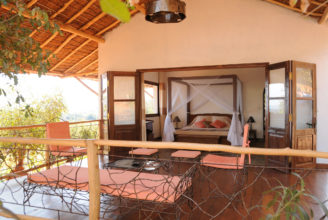
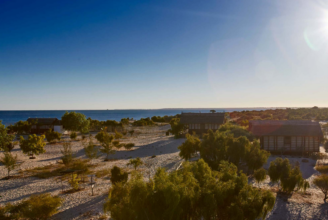
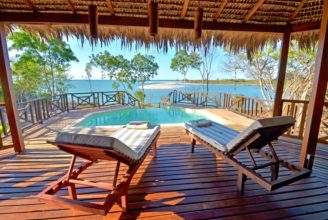
Earth Trip designs exclusive, bespoke tours featuring private drivers and hand-picked luxury accommodations, built entirely around your personal preferences and travel style.
Bespoke Holidays
 Tsingy & The West: Madagascar’s Wild Frontier