












Madagascar Birds & Lemurs: A Masterclass in Endemic Wildlife
Experience the definitive 19-day journey across the ‘Eighth Continent,’ a route personally vetted and curated by our lead specialist, Aleem, who has explored every trail on this circuit. This discovery tour is meticulously designed to reveal Madagascar’s most iconic avian and primate highlights in a single, seamless expedition.
With nearly 300 bird species—over half of which are endemics found nowhere else on Earth—Madagascar is a holy grail for naturalists. From the haunting, whale-like song of the Indri in the eastern rainforests to the ‘dancing’ Coquerel’s Sifaka in the northern dry forests, you will find the island’s most famous inhabitants in their natural habitats.
Traveling in a private 4×4 with your own dedicated driver-guide, you have the ultimate flexibility to pause for a rare photograph of a Schlegel’s Asity or linger by Lake Ravelobe as the sun sets. This is an immersive deep-dive into the unique evolution, diverse cultures, and fascinating history of the world’s most biodiverse island.


Aleem’s Expert Tip for this tour:
“When we talk about ‘half of Madagascar’s birds being endemic,’ we are talking about five entire families—like the Ground-rollers and Vangas—that exist nowhere else. I’ve refined this itinerary to hit the specific ‘micro-climates’ where these families thrive, ensuring you see the rarest evolution on the planet.”
The Best Time To Visit
April to November
The best time to visit Madagascar is from April to November, during the dry season, when wildlife viewing and outdoor activities are at their peak.
Enquire TodayRegions You’ll Visit
View mapItinerary Highlights
Avian Diversity: Focus on spotting endemic bird families like Ground-rollers, Vangas, Mesites, and Asities. Key sites include Ranomafana, Zombitse, and the birder’s paradise of Reniala Reserve.
Primate Encounters: See the “Big Five” lemurs and more, including the singing Indri, the “dancing” Coquerel’s Sifaka, and large troops of Ring-tailed Lemurs at the community-run Anja Reserve.
Tsimanampetsotsa National Park: Visit a unique saline lake ecosystem to see colonies of Greater Flamingos and 1,000-year-old Grandidier’s Baobabs.
Nosy Ve Island: Observe the nesting sites of the elegant Red-tailed Tropicbird on this uninhabited island.
Ankarafantsika National Park: Explore the “Hills of Spines,” one of the last remaining patches of western deciduous dry forest, home to 129 bird species and the critically endangered Golden-brown Mouse Lemur.
Isalo National Park: Hike through Jurassic-era sandstone canyons to find the rare Benson’s Rock-thrush and endemic succulents like the Elephant’s Foot.
Practical Details
Price: From £5,870 per person.
Duration: 19 Days.
Transport: Private 4×4 with a dedicated chauffeur-guide and domestic flights to reach the northern and southern extremes of the island.
Best Time to Visit: September to December is the prime window for birding, as many endemic species are nesting and highly active.
Route Overview
Antananarivo: Arrival and acclimatization.
Ranomafana: Rainforest exploration for Golden Bamboo Lemurs and Pitta-like Ground-rollers.
Anja & Isalo: Transition to the rocky southern landscapes for Ring-tailed Lemurs and canyon hikes.
Zombitse & Reniala: Searching for rare birds in the transition and spiny forests.
Anakao & Tsimanampetsotsa: Coastal boat trips and birding at alkaline lakes.
Mahajanga & Ankarafantsika: Travel to the northwest for dry forest wildlife and the Madagascar Fish Eagle.
Antananarivo: Final city tour and departure.
Included:
- Private transportation in fully air conditioned vehicle
- Accommodation as per itinerary
- Admission fees to all mention attractions
- English speaking guide as per itinerary
- Meals as mentioned in the itinerary
- Airport meet & greet in all airports
Not Included:
- Gratuities for services and guides
- Expenses on personal nature
- Anything else not listed in the itinerary
- Optional excursions
- Personal & medical insurances
- Flights are not included in the tour price, but we are happy to help you find the best and most suitable flight connections for your trip.
Day 1 – International Departure: When Should You Begin Your Madagascar Wildlife Tour?
Today you will start your Madagascar adventure by flying to Antananarivo’s Ivato International Airport. We recommend departing on an evening flight to ensure a seamless midday arrival in Antananarivo, giving you time to rest before your wildlife expedition begins.
Show More
Day 2 – Arrival in Antananarivo: What is the Best Way to Start Your Tana Adventure?
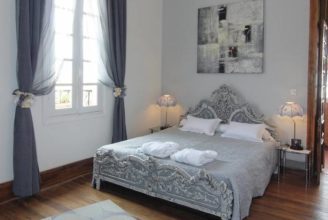
‘’Manao ahoana’’ & ‘’Salama’’ Welcome to tropical paradise. You will be welcomed & greeted by your guide or representative on arrival at Antananarivo Ivato International Airport. You will be transferred to your hotel in Antananarivo. The travel time will be approximately 45 minutes to 1 hour depending on the road traffic.

The best way to start is with a private transfer to your boutique hotel in the historic ‘Upper Town,’ allowing you to acclimate to the island’s altitude and vibrant atmosphere.
- Board Includes:
- Breakfast

See more about day 2
Day 3 – The Trans-Highland Journey: How Do You Reach the Ranomafana Rainforest?
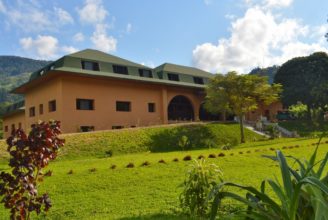
After breakfast you will travel by car to Ranomafana National Park via Antsirabe. The travel time will be approximately 7-8 hours.
Antsirabe is the third largest city in Madagascar situated in the high altitude (about 1, 500 metres). The cool temperatures in the high altitude are the reason why the Norwegian Missionaries chose this city in 1872. Antsirabe is the home of one of the award winning best beers in Madagascar THB (Three Horses Beer). Its name means “where there is salt” honouring the large number of hot springs the town has, a fact that has given the city the nickname of “Malagasy Vichy”. The thermal baths had been long appreciated for their curative effects by the local population when French colonists decided to locate a thermal bath here in the 19th century. You will briefly stop in Ambositra, the home of the Zafimaniry woodcarving art (a UNESCO Intangible Cultural Heritage)
Ranomafana is a mid-altitude rainforest and spreads over 41,601 hectares. Ranomafana offers skilled nature guides and are great help in finding elusive bird species. Ranomafana National Park’s success is because of one woman’s vision and dedication to preserve the nature and wildlife. Dr. Patricia Wright is considered to be one of the world’s foremost experts on lemurs, Wright is best known for her 26-year study of social and family interactions of wild lemurs in Ranomafana National Park, Madagascar.
Birds that can be found at Ranomafana include the ground-rollers such as the Pitta-Like Ground-Roller which is common.
When it gets dark you will take a night walk with a guide to observe the nocturnal lemurs
(active only during night time).

You reach the lush eastern rainforests by traveling south along the iconic RN7 highway, crossing the central highlands and the ‘Woodcarving Capital’ of Ambositra to reach the biodiversity hotspot of Ranomafana.
Aleem’s Note
“The drive to Ranomafana is long, but it’s the best way to see the ‘real’ Madagascar. I always tell my guests to look out the window between Ambositra and Ranomafana—the landscape changes from dry red clay to deep emerald green almost instantly. It’s the moment you realize you’ve truly arrived in the rainforest.
- Board Includes:
- Breakfast
- Dinner
See more about day 3
Day 4 – Ranomafana National Park: Where Can You Find the Rare Golden Bamboo Lemur?
After breakfast you will explore this wonderful rainforest. Ranomafana is a conservation success story in many ways. Today Ranomafana plays a crucial role in education and scientific research with the help of Centre ValBio Research Centre which is one of the most sophisticated research field stations in Madagascar.
There are many different forest types, from lowland rainforests to cloud forests and high plateau forests. It was classified a World Natural Heritage site of Atsinanana in 2007. It shelters a big wealth of endemic biodiversity with challenges. The forest marshes are home to Madagascar Snipe, Slender-billed Flufftail and Grey Emutail. You can see the rare species and seriously threatened lemurs. The park is also the genetic reservoir of some rare and endemic plant species. There are many rivers and streams passing through the forest. Several animal species have been recorded, 12 species of lemurs, including golden bamboo lemur, greater bamboo lemur, Milne-Edward’s shifaka, red bellied lemur plus 115 species of birds. About thirty amongst them exist exclusively in the primary forest of the park. There are also 90 species of butterflies, 98 species of amphibian and 62 species of reptiles; chameleons, lizards and fish.
Your specialist park guide will explain to you the circuits available to you before based on your fitness, expectation and the circuits. The shortest trek, Circuit Varibolomena, takes about 2-3 hours. This soft circuit is about 3 kilometres long but there are also medium to hard circuits to choose from.
During the evening there will be lectures about conservation in the ValBio Centre. You can also visit the centre during the opening hours.
The Golden Bamboo Lemur is found in the high-altitude primary rainforests of Ranomafana, a park specifically created in 1991 to protect this critically endangered species.
- Board Includes:
- Breakfast
- Dinner
See more about day 4
Day 5 – Rainforest Exploration: What Other Wildlife Can You Discover in Ranomafana?
After breakfast you will explore Ranomafana to check off any birds, lemurs or other wildlife that you may still be trying to locate. Your specialist park guide will explain to you the circuits available to you before based on your fitness, expectation and the circuits.Beyond the lemurs, Ranomafana is a haven for unique biodiversity, including the colorful Parson’s Chameleon, the Giraffe-necked Weevil, and a vast array of endemic orchids that thrive in the humid, moss-draped canopy.
- Board Includes:
- Breakfast
- Dinner
See more about day 5
Day 6 – Ranomafana → Isalo via Anja Community Reserve: Why is it the Best Place for Ring-Tailed Lemurs?
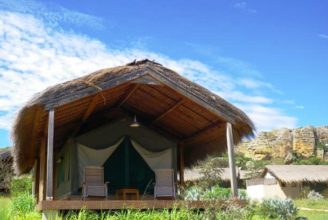
After breakfast you will travel to Anja, en route to Isalo in the south. The South of Madagascar is known for its spiny forests and cactus trees with colourful tribes. The South is home to some of the most popular parks in Madagascar including Isalo National Park. Anja Community Reserve nicknamed “Anja Park” is a great place to see ring-tailed lemurs in troops. It is the most visited community-run protected area for the lemurs and the landscape is incredible with the backdrop of granite rocks. Anja Reserve is it is a 100% community-owned sanctuary where the lemurs thrive in their natural rocky habitat.
You will take a 2 hour walk around the 30-hectare reserve to see the ring-tailed lemur families and varieties of flora. You can also see some Bestsileo tombs here.
After visit continue your journey to Isalo.
Afterwards you will continue your journey towards Isalo.
- Board Includes:
- Breakfast
- Dinner
See more about day 6
Day 7 – Exploring Isalo National Park: What Makes the ‘Jurassic Canyons’ Unique?
Today you will explore Isalo National Park with your park guide. It is the Grand Canyon of Madagascar. Kingdom of the Queen of Isalo, cradle of a particular wild nature and an exceptional landscape, the lovers of the big escapes will be seduced by this park. The appeal is unique remarkable landscape of the Jurassic Era eroded uniform sandstone, canyons and rare plants as well as the wildlife.
The highlights of the trekking circuits include the natural swimming pool and the canyons. The soft trekking circuit of Isalo covers approximately 3 kms in 3-4 hours. There are several circuits and you can talk to the guide for the best option that suits your expectations and fitness. Most hiking circuits include the natural swimming pool. It’s really worth a dip in the natural swimming pool as it’s an oasis.
These are around 80 species of birds living in Isalo among which the Benson’s rock-thrush (pseudocossyphus bensoni), an endemic species of Madagascar is well protected. You can also find 14 species of nocturnal lemurs, as well as ring-tailed, Verreaux’s Shifakas and red-fronted brown lemurs.
In the late afternoon, you will visit the Window of Isalo to see the sunset for a spectacular view.

- Board Includes:
- Breakfast
- Dinner
See more about day 7
Day 8 – The Wildlife of Isalo: Which Species Live in the Sandstone Massifs?
Today you will spend another day at Isalo National Park which homes approximately 80 species of birds (including the rare Benson’s rock-thrush, the knob-billed duck or the crested ibis), 35 of reptiles and several endemic frogs. There are several local endemic plants among the 500 flora species which are found within Isalo, such as the elephant´s foot and some rare palms and aloe species. You can also take lunch near where the ring-tailed lemurs like to play.

Afterwards you can relax at your accommodation which has an outdoor swimming pool and an amazing view of the National Park.
- Board Includes:
- Breakfast
- Dinner
See more about day 8
Day 9 – Isalo National Park → Tulear via Zombitse-Vohibasia: Where Can You Spot the Rare Appert’s Greenbul?
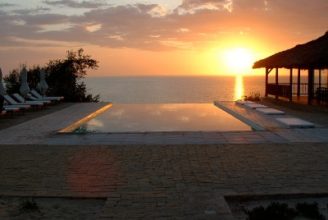
After breakfast you will travel to Ifaty, en route you will visit the Zombitse National Park. The total travel time will be approximately 4 ½ hours.
The complex, Zombitse Vohibasia, is in the southwest of Madagascar. Zombitse Vohibasia is renowned for its wealth of rare bird species and its unique biodiversity. This is now a protected park.
Zombitse Vohibasia shelters 47% of the endemic birds of Madagascar and a local endemic species: the Appert’s Greenbul (Bernieria apperti) . It also counts 8 species of lemurs, of which some are almost threatened, such as the western fork-marked lemur (Phaner furcifer pallescens).
In Zombitse, you will do a soft circuit trek for 2 kms which takes about 1-2 hours depending on your interests.

After park visit continue your journey to Tulear.
Aleem’s Expert Tip: Zombitse is a hidden gem. Most people drive past it on the way to the coast, but if you stop at dawn, the ‘dawn chorus’ of birds is unlike anywhere else on the island. Bring your binoculars for the Appert’s Greenbul—it’s a lifer for any serious birder!
- Board Includes:
- Breakfast
- Dinner
See more about day 9
Day 10 – Reniala Spiny Forest: What is a Birdwatcher’s Paradise in the Southwest?
After an early breakfast you will travel approximately 10 minutes to visit the Reniala Reserve, also known as Domergue reserve. It is an outstanding forest extending over 60 hectares, and is mainly composed of baobabs and thorny trees. Today, the reserve is a protected area where you will discover species of Madagascar’s Spiny forest. The forest possesses amazing flora and fauna. It contains more than 1000 botanical species, including 1,000-year-old Baobabs, which have a remarkable floral quality as they have adapted to a dry climate. It has a rich endemic fauna with numerous bird species. Reniala Reserve is a paradise for birders, who can easily observe some very rare endemic species, such as the long-tailed ground roller, the subdesert mesite, the red-capped coua or the blue vanga. There are 65 bird species in total within the reserve. Passionate ornithologists will surely enjoy visiting this park! Alongside birds, you will also find tortoises, reptiles, snakes and microcubes, that will delight all fauna enthusiasts.

- Board Includes:
- Breakfast
- Dinner
See more about day 10
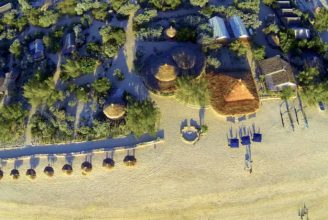
Day 11 – The Speedboat to Anakao: How Do You Reach the Vezo Fishing Village?
After an early breakfast you will travel to Anakao. You reach the remote Vezo fishing village of Anakao via a scenic 1-hour speedboat transfer from Tulear, crossing the turquoise waters of the Mozambique Channel to arrive at a coastline famous for its coral reefs and white sand dunes.
For the rest of the day you can relax and enjoy the beach. Whether you choose to walk along the sweeping dunes, swim in the clear lagoon, or simply enjoy the sea breeze from your lodge, Anakao offers a peaceful ‘off-the-grid’ atmosphere that is hard to find elsewhere in Madagascar.
Aleem’s Expert Tip:
“Anakao is unique because it has no road access—the boat is the only way in. This keeps the beaches pristine and quiet. My favorite thing to do here is watch the Vezo fishermen return at sunset; it’s like stepping back in time. If you’re a photographer, the golden hour light on the dunes is spectacular!”
- Board Includes:
- Breakfast
- Dinner
See more about day 11
Day 12 – Tsimanampetsotsa National Park: Where Can You See Pink Flamingos and Blind Cave Fish?
After an early breakfast you will travel to the Tsimanampetsotsa National Park. Travel time will be approximately 1 hour from the hotel. Tsimanampetsotsa National Park is a site of great biological and scenic importance. It is considered to be one of the ten most important reserves in Madagascar. Unique in kind, with a lake of alkaline origin, an irresistible attraction not only because of its pink and dwarf flamingos but also for its many other winged species. It was made a park in 1927, long before the start of the London International Convention for the protection of African fauna and flora.

Located in the southwest of Madagascar, this strategic wetland area extends for over 43,200 hectares with more than 90% of the biological species endemic to the park.
Tsimanampetsotsa is a unique saline lake ecosystem where you can observe colonies of Greater Flamingos and the ancient ‘Grandidier’s Baobabs’ that have survived for over a thousand years.
Expert Note: “This is a rugged, off-the-beaten-path experience. We explore the lime-stone caves to find the unique blind cave fish and the rare Sub-desert Mesite in the surrounding thorny scrub.”
- Board Includes:
- Breakfast
- Dinner
See more about day 12
Day 13 – The Island of Nosy Ve: Where Can You See Red-Tailed Tropicbirds Nesting?
In the morning you will take a boat tour of Nosy Ve Island which will last approximately 45 minutes. Nosy Ve is an uninhabited island known for snorkelling and bird watching. The area was a French camp in the 19th century where people could trade with the Saint Augustin’s Bay while avoiding contact with pirates and hostile tribes. It is a journey through history that awaits you to discover some remains of the 19th century. Nosy Ve is also known for its magnificent coral reef which shelters colourful and abundant fauna. You will be able to spot ballistas, syngnathus, sea eels, clown fishes, scorpion fishes, tortoises or even stingrays. The red tail phaeton is an endemic bird species of the island and truly make the place authentic and peculiar. This species creates a real enthusiasm among tourists who come from all corners of the world to take a picture of this endemic species, whose only known breeding ground is Nosy Ve. The tiny coral island of Nosy Ve, located just 5km from Anakao, is the only place in Madagascar where you can reliably see Red-tailed Tropicbirds nesting year-round on the protected white sandy shores.

- Board Includes:
- Breakfast
- Dinner
See more about day 13
Day 14 – Flying North: How Do We Bridge the Distance to the Birding Paradise?
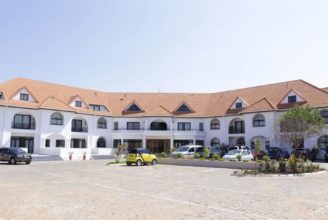
In the morning you will travel to Tulear Airport. Travel time approximately 45 minutes – 1 hour. You will fly to Antananarivo. Flight time will be one hour. You will be picked up from the airport and transferred to your hotel. Approximate travel time to your hotel will be 10 minutes depending on the traffic.

You will have the rest of the day free to do as you wish.
- Board Includes:
- Breakfast
- Dinner
See more about day 14
Day 15 – The Flight to Mahajanga: How Do You Reach the Gateway to the Northwest?
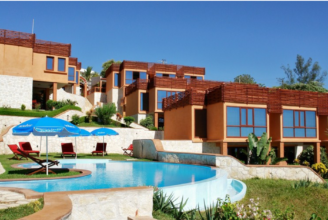
In the morning you will travel to Antananarivo Airport. Travel time approximately 10 minutes. You will fly to Mahajanga. Flight time will be 50 minutes. You will be picked up from the airport and transferred to your hotel. Approximate travel time to your hotel will be 20 minutes depending on the traffic.
Mahajanga or Majunga is a port city of the Boeny region in the North West of Madagascar. At the heart of the city, stop in front of the huge baobab tree that is one of the largest on the island. With its large Comoran and Indian populations, and historical connections with Africa, it is one of the most colourful and ethnically diverse places in Madagascar. It is also the gateway to one of western Madagascar’s most diverse regions, from stunning caves and rock formations to sacred lakes and bird-rich wetlands. You can walk along the beaches near Majunga sipping coconut milk. During the month of August, you have the best chance to see the incredible whales off Antsanitia.

- Board Includes:
- Breakfast
- Dinner
See more about day 15
Day 16 – Mahajanga →Ankarafantsika National Park: What Rare Wildlife Inhabits the ‘Hills of Spines’?
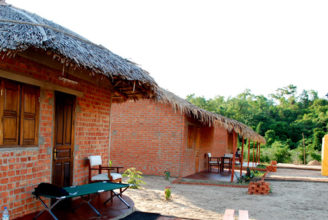
In the morning you will travel from Mahajanga to Ankarafantsika National Park. Travel time will be approximately 2-3hours. Just 114 kilometres south of Mahajanga along the national road RN4, the park is easily accessible. The park office is located in the village of Ampijoroa. You will enjoy a late afternoon guided walk around the park.
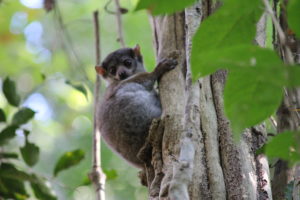
Protected since 1927 and officially declared a national park in 2002, Ankarafantsika National Park (130,000 hectares) protects one of the few remaining patches of the western Malagasy deciduous dry forest, as well as the humid forest and the crocodile-filled Ravelobe Lake. The name Ankarafantsika derived from the word Garafantsy which means “hills of spines”.The dry season is from May to October. It can get very hot during the day, especially in the open savannah grassland, which should be visited in the early morning hours to beat the heat. Ankarafantsika is a great place for birdwatchers, as it is home to 129 bird species (75 of which are endemic to Madagascar). Birds are easy to spot and photograph in the deciduous forest. Birds found here include Van Dam’s Vanga, the Sickled-billed Vanga and the Crested Drongo. Ankarafantsika National Park is home to eight distinct species of lemurs, most notably the ‘dancing’ Coquerel’s Sifaka and the critically endangered Golden-brown Mouse Lemur, which is found exclusively in this western dry forest.

- Board Includes:
- Breakfast
- Dinner
See more about day 16
Day 17 – Wildlife of Lake Ravelobe: Where Can You See the Madagascar Fish Eagle?
Enjoy a second day of birdwatching and lemur spotting in Ankarafantsika National Park.
The park is one of Madagascar’s finest birdwatching venues with 129 species (75 are endemic) such as the banded kestrel, Rufous vanga and Madagascar fish eagle.
Lac Ravelobe is an amazing place for bird watching to see waterbirds, such as fish eagles, heron or ibises. The lake is rich in wildlife and history.
As well as birds, the largest carnivorous mammal, the Fossa, is also found here. Half of its diet consists of lemurs. Fossa also feed on tenrecs and other small mammals, lizards, and birds.
In addition, the park hosts a tortoise breeding program for several rare and endemic species, including the ploughshare (Geochelone yniphora), which is endemic to the Bay of Baly.
- Board Includes:
- Breakfast
- Dinner
See more about day 17
Day 18 – Sunset Over the Capital: Where is the Best Place to Celebrate Your Madagascar Journey?
After breakfast you will travel to the airport and fly to Antananarivo from Mahajanga. Your flight time will be approximately 50 minutes. After arriving at your hotel in Antananarivo you will have the rest of the day at leisure.
As the sun begins to dip below the horizon, we gather at Lokanga for sundowner drinks. Perched on the royal hill of the ‘Haute Ville,’ this is the premier spot to say ‘cheers’ to your adventure. With a glass of wine in hand and a 360-degree view of the city’s red-tiled roofs and the Queen’s Palace (Rova), you’ll enjoy a final celebratory dinner while reminiscing about the haunting calls of the Indri and the ‘dancing’ Sifakas of the west.
Aleem’s Expert Insight: “I chose Lokanga for our final dinner because, in my opinion, it offers the best atmosphere in the capital. There is nothing quite like looking back at the Queen’s Palace while the city lights begin to twinkle, reflecting on the incredible lemur calls and rare bird sightings we’ve shared over the last 19 days. It is the only way to say Veloma to this island.”
- Board Includes:
- Breakfast
See more about day 18
Day 19 – Final Departure: How Do You Ensure a Seamless Return from Madagascar?
After a final breakfast overlooking the red-tiled roofs of Antananarivo, our driver will meet you for the 45-minute to 1-hour journey to the airport. Depending on your flight schedule, we can take a scenic route through the city’s rice paddies or make a final stop at the Digue Market for authentic Malagasy handicrafts, from hand-woven lamba silk to world-class vanilla beans. As you board your flight home, you’ll carry with you the haunting calls of the Indri and the unforgettable sunsets of the western dry forest. Veloma—until your next Earth Trip adventure!
See more about day 19
Tailor Your Tour - Potential Highlights
- See the Ring-Tailed Lemurs at Anja Reserve
- Spot ground-rollers and Golden Bamboo lemurs in Ranomafana National Park
- Discover the canyons of Isalo National Park home to 80 species of birds including the rare Benson’s rock-thrush and ring-tailed lemurs
- Watch endemic birds, geckos & lemurs at Zombitse National Park
- Visit the birder’s paradise of Reniala Reserve, home to 65 bird species
- Relax on the sandy beaches of Anakao
- Tour the small island of Nosy Ve and spot the endemic red tail phaeton
- Enjoy birdwatching in one of Madagascar’s finest birdwatching venues, Ankarafantsika National Park which is home to 129 species and 75 are endemic
- Taste the exotic cuisine of Madagascar
- Witness the stunning pink and dwarf flamingos at Tsinamapetsotsoa National Park
Is this your dream holiday? Or maybe you would like to make few changes? If so, then we can tailor it especially to your interest and requirement. Contact us to start creating your perfect holiday.
FAQ
What is the best time of year for birdwatching in Madagascar?
“The best time is from September to December, when most endemic birds are nesting and highly active, and lemurs often have young offspring.”
Do I need a specialized guide for this tour?
“Yes. At Earth Trip, we provide specialized wildlife guides who are experts in avian vocalizations and lemur behavior to ensure the best sighting opportunities.”
How much walking is involved in the National Parks?
“Expect 3–5 hours of moderate walking per day. Some terrain in Ranomafana can be steep/slippery, while Isalo and Zombitse are generally flatter.”
Can I see the Aye-aye on this 19-day itinerary?
“While not guaranteed, night walks in Andasibe or specialized extensions to Palmarium can be added for those specifically seeking the elusive Aye-aye.”
Is this tour suitable for amateur photographers?
“Absolutely. Our guides understand the lighting needs of photographers and will help position you for the best shots of Madagascar’s unique biodiversity.”
How to Prepare for Your 19-Day Wildlife Expedition
To get the most out of Madagascar’s diverse ecosystems—from the humid rainforests of Ranomafana to the dry spiny forests of Reniala—proper preparation is key. Here is our expert-vetted checklist for this specific itinerary.
1. Essential Gear for Birders & Photographers
Optics: We recommend 8×42 binoculars for the best balance of light and magnification in the dense canopy of Andasibe.
Photography: A 300mm to 600mm telephoto lens is ideal for capturing the Red-tailed Tropicbirds on Nosy Ve without disturbing their nests.
Stability: A lightweight monopod is highly recommended for the uneven forest floors of Ranomafana and Zombitse.
2. Specialized Clothing & Protection
Rainforest Gear: Bring high-quality leech socks and a breathable, neutral-colored waterproof jacket for the eastern humid corridors.
Footwear: Broken-in, waterproof hiking boots with high ankle support are essential for the Jurassic sandstone trails of Isalo National Park.
Sun Protection: The sun in the Southwest (Tulear/Reniala) is intense; a wide-brimmed hat and reef-safe sunscreen are mandatory for the Nosy Ve boat excursion.
3. Health & Field Comfort
Hydration: We provide filtered water throughout the trip, but we suggest bringing a reusable insulated bottle to keep water cool in the dry western heat of Ankarafantsika.
Insect Repellent: A high-DEET or Picaridin-based repellent is necessary for evening “Night Walks” when searching for the Goodman’s Mouse Lemur.
Field Guides: While our local guides are experts, we recommend carrying the ‘Birds of Madagascar and the Indian Ocean Islands’ field guide for personal logging.

Unsure Where To Start?
Connect with a specialist to craft your journey.


Each specialist has travelled extensively in the countries they plan. Whether it’s uncovering hidden gems or planning immersive cultural experiences, we design trips that go beyond the ordinary. Get in touch today!
Request A Video MeetingSpeak to our Madagascar travel expert today
Aleem Raheem, Co-Founder and Sustainable Travel Expert | Earth Trip
Speak to our Madagascar travel expert today
Aleem Raheem, Co-Founder and Sustainable Travel Expert | Earth Trip
Tailor Your Tour - Potential Highlights
- See the Ring-Tailed Lemurs at Anja Reserve
- Spot ground-rollers and Golden Bamboo lemurs in Ranomafana National Park
- Discover the canyons of Isalo National Park home to 80 species of birds including the rare Benson’s rock-thrush and ring-tailed lemurs
- Watch endemic birds, geckos & lemurs at Zombitse National Park
- Visit the birder’s paradise of Reniala Reserve, home to 65 bird species
- Relax on the sandy beaches of Anakao
- Tour the small island of Nosy Ve and spot the endemic red tail phaeton
- Enjoy birdwatching in one of Madagascar’s finest birdwatching venues, Ankarafantsika National Park which is home to 129 species and 75 are endemic
- Taste the exotic cuisine of Madagascar
- Witness the stunning pink and dwarf flamingos at Tsinamapetsotsoa National Park
Is this your dream holiday? Or maybe you would like to make few changes? If so, then we can tailor it especially to your interest and requirement. Contact us to start creating your perfect holiday.
 Madagascar Birds & Lemurs Discovery 2027 & 2028
 © 2026 Earth Trip