












Discover the Wonders of Madagascar
Start your 15-day Classic Madagascar Tour, a custom-made journey through the island’s most iconic highland landscapes and rare wildlife habitats. From the haunting songs of the Indri lemurs in the misty rainforests of Andasibe to the dramatic sandstone canyons of Isalo National Park, this itinerary is crafted for those seeking a profound connection with nature. Traveling in a private 4×4 with an expert local guide, you will explore the biodiversity of Ranomafana, encounter ring-tailed lemurs, and conclude your adventure on the sun-drenched beaches of Ifaty. Experience the very best of Madagascar 2026/27 with Earth Trip’s award-winning ethical approach to travel.


The Best Time To Visit
May to October
The ideal window for this itinerary is the dry season, from May to October, when the weather is cooler and the roads are most reliable. September and October are particularly rewarding as this is when baby lemurs are most active and the weather is pleasantly warm. You should generally avoid traveling between January and March, which is the peak of the cyclone season. During these months, the eastern rainforests of Andasibe experience heavy torrential rains, and the RN7 can become unpredictable due to flooding or mudslides, potentially cutting off access to key parks and making long drive days significantly more difficult.
Enquire TodayRegions You’ll Visit
View mapA Note from Aleem Raheem – Madagascar Travel Specialist
“Madagascar is a destination that demands a professional eye for detail, as its incredible biodiversity is matched only by its challenging geography. For this 15-day ‘Classic Madagascar’ itinerary, I have focused on creating a seamless route through the island’s most essential ecosystems. I have personally vetted the guides in Andasibe-Mantadia to ensure you have the best possible chance of hearing the Indri’s call, and hand-selected the lodges in Isalo and Ifaty to provide a professional level of comfort after a day on the dusty trails. This journey is designed for the traveller who wants a comprehensive, high-quality introduction to the lemurs, chameleons, and unique baobab landscapes that make this island a world apart.”
Vehicle and Guide Logistics
Since your Driver-Guide is the same person, they will handle the long-distance navigation and general logistics, while the specialist guides at the national parks provide the deep-dive tracking skills needed to find specific lemurs and rare flora. Having a 4×4 vehicle is essential for this route; while the RN7 is paved, it is prone to severe potholes and “washouts,” especially after heavy rains. A 4×4 provides the necessary clearance and suspension for the rugged off-road tracks leading into places like Isalo and Mantadia. It is also a significant plus that your driver provides bottled water, as staying hydrated is the biggest challenge in the arid southern stretches near Tulear where temperatures can climb rapidly.
Itinerary Highlights
-
Andasibe-Mantadia National Park: Listen for the haunting, melodic calls of the Indri (the largest lemur species) in the misty primary rainforest.
-
Ranomafana National Park: A biodiversity hotspot home to the critically endangered Golden Bamboo Lemur and 12 other lemur species.
-
Isalo National Park: A Jurassic-style landscape featuring deep gorges, natural turquoise swimming pools, and ancient Bara tribal tombs.
-
Anja Community Reserve: One of the best spots to see large troops of Ring-tailed Lemurs sunbathing on granite boulders.
-
Ifaty Beaches: Relax on the coast of the Mozambique Channel, where you can explore spiny forests and, from July to September, spot migrating Humpback whales.
-
Cultural Crossroads: Visit Antsirabe for its colonial architecture and artisan workshops, and Ambalavao for traditional Antemoro papermaking.
Practical Details
-
Price: From £4,380 per person.
-
Duration: 15 Days / 14 Nights.
-
Transport: Includes private 4×4 transport for rugged terrain and a domestic flight from Toliara back to Antananarivo to save two days of driving.
-
Best Time to Visit: The dry season from May to October is optimal. September and October are especially good for seeing baby lemurs.
Route Overview
-
Antananarivo: Arrival and briefing.
-
Antsirabe: Drive south through the volcanic highlands.
-
Ranomafana: Rainforest treks and night walks for nocturnal wildlife.
-
Ambalavao: Shift to the rugged granite mountains of the south.
-
Isalo: Multi-day exploration of canyons and natural oases.
-
Ifaty: Coastal transition, spiny forests, and beach relaxation.
-
Andasibe: Eastern escarpment for the Indri lemurs and reptile reserves.
-
Antananarivo: Final sightseeing at the Royal Palace (Rova) before departure.
Our Suggested Day By Day Itinerary
This tour can be fully-personalised and upgrades are available.
Day 1 – Antananarivo Flight: When does your Madagascar journey begin?
Your 15-day Classic Madagascar Tour begins with your international flight. As you travel toward the Indian Ocean, you will cross several climate zones before reaching the “Red Island.” We recommend packing a lightweight jacket in your carry-on, as the evening air in the central highlands is often cooler than the tropical coast.
-
Travel Preparation: Most international flights to Madagascar involve a connection through Paris, Addis Ababa, or Nairobi.
-
Final Checks: Ensure your passport is valid for at least six months and that you have your vaccination records and travel insurance details ready for inspection upon arrival.
- Board Includes:
- Breakfast


Read more...
Day 2 – Antananarivo Arrival: What is the first stop in Madagascar’s capital?
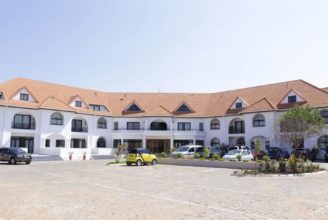
Upon your arrival at Ivato International Airport (TNR), you will be met by your private driver and guide for a short 10-minute transfer to your hotel. Antananarivo, the capital city, serves as the central hub for all routes across the island and is the starting point for your exploration of the diverse landscapes ahead.
-
Arrival Logistics: Your guide will assist with currency exchange (Ariary) and local SIM cards before transferring you to your accommodation in the quiet suburbs or the historic upper city.
-
Initial Briefing: Enjoy a welcome dinner and a briefing on the upcoming route through the highlands, southern savannahs, and eastern rainforests.
- Board Includes:
- Breakfast
Read more...
Day 3: Antananarivo > Antsirabe (4–5 hours by car): How do you reach the western highlands?
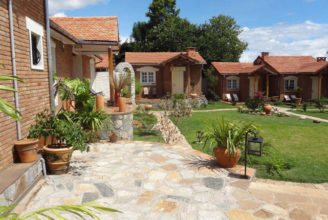
After breakfast, you will drive south from the capital along Route Nationale 7 (RN7), a 4–5 hour journey into the heart of the Vakinankaratra region. The road winds through a signature landscape of volcanic hills and colonial architecture in the thermal city of Antsirabe.
-
Highland Landscapes: Observe the intensive agriculture and traditional double-story mud houses that define the Merina and Betsileo cultures.
-
Pousse-Pousse Tour: Explore Antsirabe via a brightly painted rickshaw (pousse-pousse), visiting local workshops specializing in miniature crafts and zebu horn carvings.
-
Volcanic Lakes: If time permits, visit the nearby crater lakes of Andraikiba or Tritriva, known for their deep blue waters and local legends.
- Board Includes:
- Breakfast
- Dinner
Read more...
Day 4: Antsirabe to Ranomafana: How do you reach the bamboo rainforests? (6–7 hours by car)
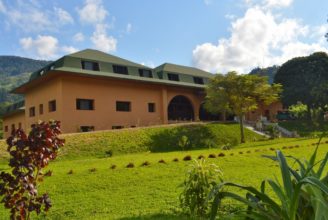
The 6–7 hour journey south continues to Ranomafana, with a stop in Ambositra, the center of Madagascar’s wood-carving industry. You can watch Zafimaniry artisans create intricate geometric patterns in precious hardwoods, a craft recognized by UNESCO.
-
Ambositra Stop: Visit the local markets to see hand-carved furniture and marquetry before continuing the drive into the eastern escarpment.
-
Rainforest Entry: Watch the landscape shift from dry highlands to dense, misty rainforest as you enter the Ranomafana region.
-
Nocturnal Walk: After arriving at your lodge, join a guided night walk along the park’s edge to spot the Brown Mouse Lemur, sleeping chameleons, and endemic frogs.
- Aleem’s note:
-
Nocturnal Wildlife: The Roadside Experience
Under Malagasy law, guided night walks are not permitted inside the boundaries of National Parks. To see the island’s famous nocturnal species—such as Mouse Lemurs, chameleons, and frogs—Earth Trip organizes these excursions on the outside boundaries of the parks.
- Board Includes:
- Breakfast
- Dinner
Read more...
Day 5: Ranomafana National Park: Where can you see the Golden Bamboo Lemur?
You can find the critically endangered Golden Bamboo Lemur (Hapalemur aureus) within the dense bamboo thickets of Ranomafana National Park. This 41,000-hectare rainforest was established to protect this species, which was only discovered by scientists in 1986.
-
Morning Trek: Hike through the primary rainforest with a specialist guide to locate the Greater Bamboo Lemur and the Milne-Edwards’ Sifaka.
-
Biodiversity Hotspot: The park is home to 12 lemur species, over 115 bird species, and rare reptiles like the Satanic Leaf-tailed Gecko.
-
Thermal Springs: Following the trek, visit the village of Ranomafana to see the natural thermal springs that gave the area its name.
- Board Includes:
- Breakfast
- Dinner
Read more...
Day 6: Ranomafana to Ambalavao via Betsileo: What makes this Betsileo town unique? (3–4 hours by car, or more with stops)
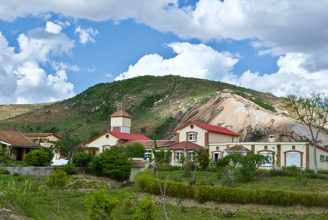
You reach the southern highlands of Ambalavao by driving 3–4 hours south from the rainforest, passing through a dramatic shift in landscape from dense green canopy to rugged granite mountains. This Betsileo town serves as a vital cultural crossroads where the humid east meets the dry southern plains.
-
Optional Morning Rainforest Walk: Before driving, you can take a final walk through Ranomafana National Park to find rare species like the Milne-Edwards’ Sifaka or the vibrant Blue Coua that are often most active at sunrise.
-
Handmade Antemoro Paper: Visit a local workshop in Ambalavao to see artisans create floral paper from the bark of the Avoha tree, a traditional Malagasy craft using techniques brought by early Arab settlers.
-
Betsileo Architecture: Walk through the town center to see the famous carved wooden balconies and bright shutters that show a unique mix of European and Malagasy design.
- Board Includes:
- Breakfast
- Dinner
Show More
Day 7: Ambalavao to Isalo: Why is the Anja Reserve the best place for Ring-tailed Lemurs? (5–6 hours by car)
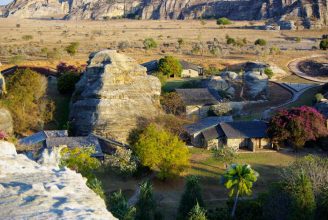
After breakfast, you will drive south to the Anja Community Reserve, where large troops of Ring-tailed Lemurs (Lemur catta) sunbathe on massive granite boulders. Following a morning trek through this locally managed sanctuary, the 5–6 hour journey continues across the vast Horombe Plateau to reach Isalo National Park. You will arrive in time for sunset at the Window of Isalo, a natural sandstone formation that frames the glowing southern savannah. o get the full experience, ensure your driver-guide schedules your arrival specifically for sunset. Many tours rush the afternoon or arrive too early, missing the brief window when the sun aligns perfectly with the rock formation. When timed correctly, the sandstone transforms into a deep, glowing orange—a sight that is easily the most iconic photo opportunity of the entire southern circuit.
- Board Includes:
- Breakfast
- Dinner
Show More
Day 8: Isalo Rock Formations: Can you find ancient Bara tombs in the canyons?
You can find the ancient Bara tombs high within the sandstone crevices of Isalo’s canyons, where the local tribe historically placed their dead in sacred, hard-to-reach caves. This day of hiking through the Isalo National Park wilderness reveals a Jurassic landscape of deep gorges, natural turquoise swimming pools, and waterfalls.
-
Flora and Fauna: Look for the endemic Elephant’s Foot plant (Pachypodium rosulatum) clinging to the rocks and watch for Verreaux’s Sifakas leaping between the canyon walls.
-
Canyon Trekking: The trails lead through the Namaza Circuit to the “Piscine Naturelle,” a palm-fringed oasis perfect for a midday swim.
-
Outdoor Dining: A traditional BBQ lunch is served in the heart of the park, providing a rest point surrounded by rugged sandstone cliffs before you return to the lodge.
- Board Includes:
- Breakfast
- Dinner
Show More
Day 9: Isalo to Toliara (4-5 hours) to Ifaty (1 hour): Which rare bird species live in this transition forest Zombitse-Vohibasia National Park?
Depart Isalo for the coastal paradise of Ifaty, stopping at Zombitse National Park along the way.
You can find the rare Appert’s Tetraka, a bird species endemic only to this specific region, within the dry deciduous canopy of Zombitse-Vohibasia National Park. After breakfast, you will drive 4–5 hours from Isalo to the port city of Toliara, stopping for a guided walk in Zombitse. This marks a major ecological shift as sandstone canyons give way to the unique “Spiny Forest.”
-
Zombitse Forest Walk: This transition forest is a hotspot for birdwatchers and home to the Verreaux’s Sifaka, which often leaps between the massive baobab trees that begin to appear here.
-
Coastal Transfer to Ifaty: From Toliara, a final 1-hour drive takes you north along the coast to the fishing village of Ifaty, protected by a massive coral reef.
-
Mahafaly Tombs: Along the roadside, look for the brightly painted Mahafaly tombs, which feature wooden carvings (aloalo) telling the life story of the deceased.
- Late afternoon drop off to your hotel.
- Board Includes:
- Breakfast
- Dinner
Show More
Day 10: Ifaty Spiny Forest: What makes the “Upside-Down” Baobabs unique?
You can find the “Upside-Down” Baobabs (Adansonia rubrostipa) in the Reniala Reserve, where their massive, swollen trunks and stunted branches create a surreal silhouette against the arid landscape. After a morning at leisure on the white-sand beaches of Ifaty, an afternoon visit to this botanical park reveals the rare “Spiny Forest,” a habitat found nowhere else on Earth.
-
Beach and Reef Activities: Spend your morning swimming in the turquoise lagoons or snorkeling along the massive coral reef that protects the southwest coast from the Mozambique Channel.
-
Reniala Reserve Walk: Explore the 60-hectare sanctuary to see baobabs that are over 1,000 years old and look for rare birdlife, such as the Long-tailed Ground Roller.
-
Coastal Atmosphere: Ifaty is a traditional Vezo fishing village, offering a calm environment for relaxation and diving in some of Madagascar’s clearest waters.
- Board Includes:
- Breakfast
- Dinner
Read more...
Day 11: Ifaty Whale Watching: When can you see Humpback Whales in Madagascar?
You can see migrating Humpback Whales (Megaptera novaeangliae) in the warm waters off Ifaty between July and September, as they arrive from the Antarctic to breed and give birth. A morning boat tour led by local captains and guides provides a safe way to observe these 40-ton mammals breaching and tail-slapping in the Mozambique Channel.
-
Whale Migration Insights: Learn about the complex communication and long-distance travel patterns of the whales from experts who monitor the local marine ecosystem.
-
Responsible Observation: The tours follow strict distance protocols to ensure a respectful encounter that does not disturb the whales or their calves.
-
Afternoon at Leisure: The remainder of the day is free for resting on the white-sand beaches or walking through the local Vezo fishing villages to see the traditional outrigger canoes returning with the day’s catch.
This once-in-a-lifetime experience will leave you awestruck. The rest of the day is yours to soak in the beauty of Ifaty.
- Board Includes:
- Breakfast
- Dinner
Read more...
Day 12: Toliara to Antananarivo: Why take a domestic flight back to the capital? (1.5–2 hours by air)
You can save over 20 hours of driving by taking a domestic flight from Toliara (TLE) back to Antananarivo (TNR), allowing you to quickly transition from the southern coast to the central highlands. After a final morning by the Mozambique Channel in Ifaty, you will transfer to the airport for your flight across the island’s diverse landscapes.
-
Aerial Views of Madagascar: The flight offers a unique perspective of the shifting geography, from the turquoise coral reefs of the south to the red clay mountains and terraced rice paddies of the interior.
-
Antananarivo City Life: Upon arrival in the capital, you will be met by your driver and transferred to your hotel. Depending on your flight time, you can visit local markets or historical sites like the Rova of Antananarivo.
-
Logistical Ease: Utilizing a domestic flight ensures more time is spent observing wildlife and less time on the road, maximizing the final days of your journey.
- Board Includes:
- Breakfast
- Dinner
Read more...
-
Day 13: Antananarivo to Andasibe (4–5 hours by car): Why is the Indri Indri found here?
You can find the Indri Indri, the largest living lemur species, in the high-altitude rainforests of Andasibe-Mantadia National Park, located 150 km east of the capital. This 4–5 hour drive on Route Nationale 2 (RN2) transitions from the central highlands into the humid eastern escarpment, where the “haunting calls” of the Indri serve as a natural alarm clock for the region.
-
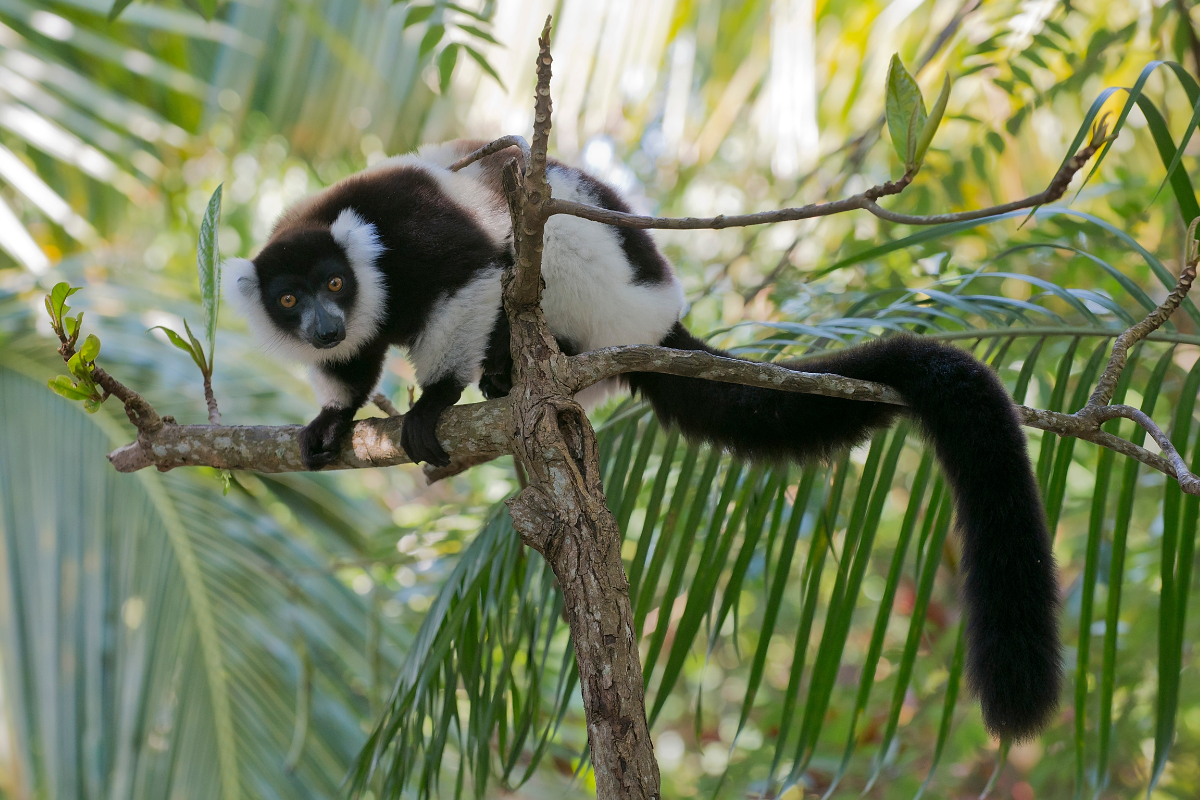
Rare Lemur Species: Beyond the Indri (locally called the Babakoto), the park is a sanctuary for the Diademed Sifaka, the Black-and-white Ruffed Lemur, and the Lesser Bamboo Lemur.
-
Endemic Wildlife: Keep an eye out for the Parson’s Chameleon, one of the world’s largest, and the strikingly colorful Golden Mantella frog. Birdwatchers can spot the Blue Coua and the Coral-billed Nuthatch Vanga among the orchids and ferns.
-
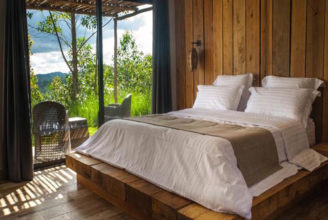
Guided Night Walk: After settling into your lodge, join a naturalist to search for nocturnal specialists like the Goodman’s Mouse Lemur (the world’s smallest primate), the Eastern Woolly Lemur, and camouflaged Leaf-tailed Geckos.
- Board Includes:
- Breakfast
- Lunch
- Dinner
Show More
Day 14: Andasibe to Antananarivo (4–5 hours): Where can you hear the “Singing Lemurs”?
Rise early to the haunting, melodic calls of the Indri (locally known as the Babakoto) echoing through the misty canopy of the Analamazaotra Reserve, part of the greater Andasibe-Mantadia complex. After an early morning trek to observe these tail-less primates in the primary rainforest, you will begin the 4–5 hour drive back to the central highlands, arriving in Antananarivo by late afternoon.
-
Primary Rainforest Trek: Accompanied by an expert guide, you will search for Indri families and other endemic species like the Diademed Sifaka, the Common Brown Lemur, and the unique Giraffe-necked Weevil (Trachelophorus giraffa).
-
Peyrieras Reptile Reserve: On the return journey, a stop at this specialized sanctuary allows for close-up observations of Parson’s Chameleons, Leaf-tailed Geckos (Uroplatus), and various species of colorful butterflies and frogs.
-
Highland Transition: The scenic drive along Route Nationale 2 (RN2) winds through steep escarpments and terraced rice paddies as you transition from the humid eastern forest back to the capital’s higher elevation.
- Expert Tip: Wear sturdy walking shoes and bring a lightweight raincoat, as the Andasibe rainforest lives up to its name with frequent, refreshing tropical mists!
Show More
Day 15: Antananarivo Sightseeing & Departure: What are the historical landmarks of the capital?
You can explore the Rova of Antananarivo (the Royal Palace), the historic seat of the Merina Kingdom, which sits on the city’s highest hill and offers 360-degree views of the capital. Before your international departure, a flexible half-day tour provides a final look at the cultural and architectural heritage of the central highlands.
-
Historical Sites: Visit the UNESCO World Heritage site of Ambohimanga, the “Blue Hill,” located 24 km north of the city. This fortified royal settlement remains a sacred place of worship and a symbol of Malagasy identity.
-
Local Culture and Markets: Walk through the Analakely Market to see the daily life of the city or visit local artisan workshops for traditional silk weaving and wood carvings.
-
Coordinated Airport Transfer: Following your city tour, your dedicated driver and guide will provide a direct transfer to Ivato International Airport (TNR) in time for your check-in and flight back home.
- Board Includes:
- Breakfast
Show More
End of Tour
Included:
- Private transportation in fully air-conditioned vehicle
- Accommodation for 14 nights
- Admission fees to all monuments
- English speaking guide
- Meals as mentioned in the itinerary
- Airport meet & greet in all airports
Not Included:
- Gratuities for services and guides
- Expenses of a personal nature
- Anything else not listed in the itinerary
- Optional excursions
- Personal & medical insurances
Frequently Asked Questions: Classic Madagascar Tour
1. What is the best time of year to take the Classic Madagascar Tour?
The best time for this itinerary is between April and November. During these months, the weather is cooler and drier, making it ideal for hiking in Isalo National Park and spotting lemurs in Andasibe. If you are specifically interested in the whale-watching included in Day 11, the peak season is July to September.
2. Is a 4×4 vehicle necessary for this trip?
Yes. While some main roads in Madagascar are paved, many of the routes leading to national parks and coastal areas like Ifaty involve rugged terrain. We provide a private 4×4 vehicle and an expert driver-guide to ensure your safety, comfort, and the flexibility to stop for photos whenever you like.
3. What kind of physical fitness is required for the park treks?
This tour is suitable for most fitness levels. While the hikes in Isalo and Andasibe involve walking on uneven forest trails, our guides can tailor the pace to your needs. Most circuits offer a choice between short, easy loops and longer, more challenging treks.
4. Are internal flights included in the Madagascar Classic Tour?
This itinerary includes a domestic flight from Toliara to Antananarivo (Day 12) to save you two days of driving. We handle the booking of these internal flights as part of your tailor-made package to ensure a seamless transition between the south and the east.
5. What wildlife can I expect to see on this 15-day itinerary?
You will see a diverse range of Madagascar’s “Big Five” lemurs, including the Indri (the largest lemur), the Ring-tailed lemur, and the Verreaux’s sifaka. You will also encounter colorful chameleons, rare birds in Zombitse, and, depending on the season, migrating Humpback whales in Ifaty.
Tailor Your Tour - Potential Highlights
- Upgrade or change your hotels
- Add or remove attractions
- stay longer in some locations
- Let us make it perfect for you.
If you love this tour but want to change some details our team will tailor this tour to match your interests. With our in-depth knowledge we will provide you with the best advice on every detail of the tour.
-
FAQ for this tour
-
What is the best time of year for this Madagascar itinerary?
-
Answer: The ideal time is the dry season (May to October). This ensures that the roads through the highlands and the Horombe Plateau are in good condition, and it offers the best visibility for lemur trekking in the Andasibe rainforest. If you want to see humpback whales in Ifaty, plan your visit between July and September.
-
-
Is a high level of fitness required for the national park treks?
-
Answer: A moderate level of fitness is recommended. While the trails in Ranomafana and Andasibe can be humid and sometimes slippery, our guides can adapt the pace to your comfort. The hikes in Isalo National Park involve walking on sandstone terrain, but there are multiple circuit options ranging from easy walks to more adventurous canyon climbs.
-
-
What should I pack for the different climates on this route?
-
Answer: This tour covers diverse microclimates. You will need lightweight, breathable clothing for the tropical heat of Ifaty, a sturdy raincoat and hiking boots for the misty forests of Andasibe, and a warm fleece for the cooler evenings in the Antsirabe highlands.
-
-
Are the domestic flights reliable?
-
Answer: We utilize Madagascar’s national carrier for the flight from Toliara to Antananarivo. While flight schedules in Madagascar can occasionally shift, your private driver and our ground team monitor these in real-time to ensure your transfers and city tours are adjusted seamlessly.
-

Unsure Where To Start?
Connect with a specialist to craft your journey.


Our travel specialists are seasoned explorers with deep local insights. Whether it’s uncovering hidden gems or planning immersive cultural experiences, we design trips that go beyond the ordinary. Get in touch today!
Request A Video MeetingTailor Your Tour - Potential Highlights
- Upgrade or change your hotels
- Add or remove attractions
- stay longer in some locations
- Let us make it perfect for you.
If you love this tour but want to change some details our team will tailor this tour to match your interests. With our in-depth knowledge we will provide you with the best advice on every detail of the tour.
 2 Weeks Madagascar Classic Tour 2026-2027
-
© 2026 Earth Trip