










Speak to our expert today

Aleem Raheem, Co-Founder and Sustainable Travel Expert | Earth Trip
Local expertise, first-hand knowledge, and a holiday designed around you.
+442089355685
Enquire Today
Country Facts
Population
About 33 million
Capital
Antananarivo
Area
587,041 km 2 (226,658 square miles)
Language
Malagasy, French
Religion
Indigenous beliefs, Christian, Muslim
Currency
Malagasy ariary (MGA)
Madagascar Travel Guide Bespoke Madagascar Holidays & Private Wildlife Tours, Expertly Curated by Earth Trip
By Aleem Raheem, Earth Trip co-founder · Updated October 2026
Madagascar has been isolated in the Indian Ocean for tens of millions of years, and around 90% of its plants and animals are found nowhere else on Earth. More than 100 kinds of lemur live here, alongside chameleons, baobabs and the limestone pinnacles of the Tsingy. It is also a big country with slow roads, so how you plan the trip matters as much as where you go.
This guide covers when to go, what to see and how to get around, based on our co-founder Aleem Raheem’s own travels across the island. When you are ready, we plan private, tailor-made Madagascar holidays with your own driver-guide, hand-picked lodges and domestic flights where they save time.
Earth Trip Specialist Approach
Madagascar’s vast geography presents a massive logistical puzzle. However, we have spent years solving these challenges. Therefore, our guests travel with total confidence. They know that we masterfully plan every single transition.
Smart Logistics: We utilize a strategic mix of scheduled internal flights and private 4×4 transfers. Consequently, this allows us to maximize your time in the national parks. It also minimizes unnecessary hours on the road. You can see how we balance these routes on our 3 weeks Madagascar Grand Discovery itinerary.
Hand-Picked Accommodations: Our portfolio ranges from high-end luxury lodges to charming, high-quality boutique stays. These properties prioritize character, location, and sustainability. For the ultimate premium stay, look at our Luxury Madagascar Holidays: Deep South & Anjajavy collection.
Elite Naturalist Guides: We believe the person leading your trip makes all the difference. Therefore, we work exclusively with the island’s most knowledgeable specialists. They unlock the secrets of Madagascar’s endemic flora and fauna. They will lead you on wildlife tracks like our Madagascar Birds & Lemurs Wildlife Discovery Tour.
Read our Excellent Reviews on Trustpilot: Our travellers consistently praise our seamless planning. Read their feedback before planning your next Madagascar Holidays.
Signature Landscapes & Experiences
As specialists, we craft itineraries that balance the “must-sees” with hidden gems that larger operators overlook.
| The Region | The Experience | Earth Trip Detail |
|---|---|---|
| Andasibe-Mantadia | Tracking the Indri-Indri through primary rainforest. | Early-entry forest access to beat the crowds and hear the morning calls. |
| Avenue of the Baobabs | Standing among 800-year-old “upside-down” trees. | Expert timing to ensure you catch the perfect light for photography. |
| Northern Archipelago | Exploring the islands and reefs of Nosy Be. | A curated selection of high-quality beach stays, from boutique to luxury. |
| Isalo National Park | Hiking the Jurassic massifs and natural pools. | Private guides who adapt the pace to your personal fitness and interest. |
| Tsingy de Bemaraha | Navigating the UNESCO-listed limestone needles. | Complete logistical management of the flights and 4x4s required for this remote area. |
Visa Requirements
British citizens can visit Madagascar for up to 15 days without a visa, paying a €10 administration fee on arrival and showing a return or onward ticket. For longer trips, you can buy a 30- or 60-day tourist visa on arrival at the airport, paid in euros, US dollars or ariary. Your passport must be valid for at least six months from your arrival date and have two blank pages. Entry rules can change, so we always check the latest UK government travel advice with you before you travel.
Health & Wellbeing
Book a travel health appointment six to eight weeks before you go. Malaria is present across most of Madagascar, so antimalarial tablets are usually advised. A yellow fever vaccination certificate is only needed if you arrive from a country with yellow fever risk. All arrivals complete a health declaration and may be screened at the airport. Bring insect repellent, sun protection and any medicines you need, as pharmacies outside the main towns are limited.
Frequently Asked Questions
When is the best time to visit Madagascar?
The best time is April to November, the dry season. September to November is ideal for wildlife, with baby lemurs and nesting birds, while April to June is green and quiet. Avoid January to March, the peak of the cyclone season, when heavy rain closes many roads.
How long do I need in Madagascar?
Most of our clients take 14 to 21 days. Distances are long and roads are slow, so two weeks suits one region, such as the eastern rainforests and the RN7 south, while three weeks lets you add the baobabs and Tsingy in the west or a beach stay.
How much does a tailor-made Madagascar holiday cost?
Our private Madagascar itineraries start from around £4,370 per person for 15 days. Most two- to three-week trips cost between £4,400 and £7,900 per person, depending on the season, lodges and domestic flights.
Do British citizens need a visa for Madagascar?
For stays of up to 15 days, British citizens do not need a visa but pay a €10 administration fee on arrival and must show a return or onward ticket. For longer trips, a 30- or 60-day tourist visa can be bought on arrival. Your passport must be valid for six months from arrival and have two blank pages. Always check the latest UK government advice before you travel.
Is Madagascar safe for tourists?
Most visits are trouble-free, but sensible precautions matter. The UK government advises avoiding political demonstrations, not driving at night and not walking alone after dark in towns. On an Earth Trip holiday you travel with a private driver-guide, stay in vetted lodges and have 24/7 local support.
Do I need vaccinations or malaria tablets?
Malaria is present across most of Madagascar, so antimalarial tablets are usually advised. A yellow fever certificate is only required if you arrive from a country with yellow fever risk. Book a travel health appointment six to eight weeks before you go for advice on your own needs.
Where is the best place to see lemurs?
Andasibe-Mantadia is the best place to see and hear the indri, the largest lemur. Ranomafana is home to golden bamboo lemurs, Kirindy Forest has dancing sifakas and the fossa, and Anja and Isalo in the south are good for ring-tailed lemurs. Most of our itineraries include at least three of these.
How do you get around Madagascar?
We combine domestic flights for the longest distances with a private 4×4 and your own driver-guide on the ground. This saves days of driving, avoids night travel and lets you stop wherever there is wildlife to see.
Can I combine Madagascar with a beach holiday?
Yes. Within Madagascar, Nosy Be, Île Sainte-Marie and the south-west coast near Ifaty and Anakao all have good beach hotels. Madagascar also combines well with Mauritius, a short flight away, or the Seychelles.
Why plan a Madagascar holiday with Earth Trip?
Our co-founder Aleem Raheem has travelled Madagascar’s routes himself and plans every trip personally. Earth Trip won Bronze for Best Travel Company to the Indian Ocean at the 2025 British Travel Awards, and every booking is protected by the Travel Trust Association (member Q059X).
When to Visit Madagascar: A Specialist’s Seasonal Guide
As the world’s fourth-largest island, Madagascar’s weather is as diverse as its landscapes. To help you plan your bespoke journey, Earth Trip has curated a comprehensive guide to the island’s regional climates and wildlife milestones.
The Regional Climate Overview
Understanding Madagascar’s topography is key to a successful itinerary. Generally, the North is characterized by heat and humidity, the East experiences higher rainfall, and the South remains largely arid.
Expert Note: The central highlands, including Antananarivo, are significantly cooler due to their altitude. We recommend planning your wardrobe for these temperature shifts rather than basing your entire trip on highland weather patterns.
Madagascar Seasonal Calendar:
| Jan | Feb | Mar | Apr | May | Jun | Jul | Aug | Sep | Oct | Nov | Dec |
| – | – | – | + | ++ | ++ | ++ | ++ | +++ | +++ | +++ | + |
A Month-by-Month Breakdown
January – March: The Cyclone Season
This period brings heavy rain, strong winds, and mud to the central highlands and northern coast. During this time, many national parks and lodges close their doors due to unpredictable conditions. While the South remains fine, visiting now requires skipping the island’s famous rainforests. As specialists, we generally advise against traveling to Madagascar during these months.
April – June: The Lush Emergence
Following the rains, the island is transformed into a vibrant green paradise. Temperatures are highly pleasant, and the landscape is teeming with active reptiles and lemurs.
Culture: Late May features the Donia Festival in Nosy Be, a vibrant celebration of traditional music and dance.
Marine Life: June marks the arrival of humpback whales near Île Sainte-Marie.
July – August: Whale Watching & Rainforest Activity
The rainforests are buzzing with life, though smaller species like chameleons and dwarf lemurs may enter hibernation.
Whale Watching: Ideal conditions in Île Sainte-Marie (avg. 24°C) and Anakao (avg. 27°C).
Marine Activities: This is an excellent window for snorkeling in clear coastal waters.
September – October: The Golden Window
Many consider this the absolute best time to visit Madagascar.
Lemurs: This is when baby lemurs are born, offering rare sightings of young families in the canopy.
Birding: It is the peak breeding season; native birds display spectacular plumage and nesting behaviors.
Reactivation: As temperatures rise, hibernating creatures become active again, offering the best of both worlds for wildlife enthusiasts.
November – December: Wildlife Photography & Beaches
While the rains can begin in late December, the early part of the month remains excellent.
Photography: Lizards, snakes, and chameleons are at their most active, providing incredible opportunities for photographers.
Beach Leisure: December is arguably the best month for those looking to combine wildlife with a dedicated beach stay before the heavier rains arrive.
Wildlife & Marine Migration Highlights
Humpback Whales: June – Mid-September.
Lemur Births: September – November.
Bird Breeding: September – December.
Whale Sharks: October (primarily in Nosy Be).
Ready to plan your seasonal adventure? Speak with an Earth Trip Specialist to find the perfect dates for your interests.
Tailor-Made Luxury Tours with a Private Driver
Earth Trip designs exclusive, bespoke tours featuring private drivers and hand-picked luxury accommodations, built entirely around your personal preferences and travel style.
Bespoke Holidays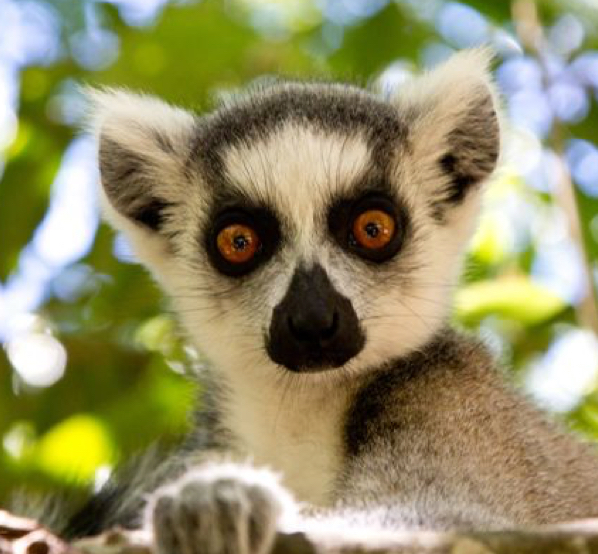
 Madagascar Travel Guide