












Dambulla Cave Temples: The Golden Rock Heritage
The Dambulla Cave Temple complex, also known as the Golden Temple of Dambulla, is a breathtaking UNESCO World Heritage site and the largest, best-preserved cave temple complex in Sri Lanka. Towering 160 metres above the surrounding plains, these five separate caverns contain a staggering collection of religious art, including 153 Buddha statues and over 2,100 square metres of vibrant murals. With a history spanning over 22 centuries, Dambulla remains a living place of pilgrimage where ancient spirituality meets extraordinary artistic achievement.
Experience Highlights
The Five Sacred Caverns:
Each cave offers a unique atmosphere. Cave II (Maharaja Vihara) is the most spectacular, featuring 60 statues and a ceiling covered in intricate paintings that depict the life of the Buddha and key moments in Sri Lankan history. The sight of the water dripping upwards from a crack in the ceiling—defying gravity—is a local miracle said to never cease, even during droughts.
Ancient Mural Art:
The walls and ceilings of the caves are a continuous tapestry of Buddhist iconography. These murals were painted using natural pigments and have been meticulously maintained by successive kings over two millennia. The sheer scale and detail of the artwork, following the natural contours of the rock, make Dambulla one of the most important galleries of ancient art in Asia.
The Golden Buddha & Panoramic Views:
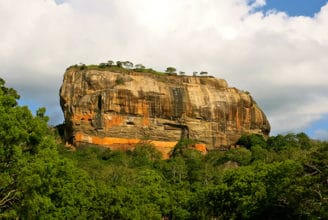
At the foot of the rock stands the modern Golden Temple, dominated by a 30-metre-high gilded Buddha statue. As you make the gentle ascent to the caves, you are rewarded with sweeping views of the Cultural Triangle, including a clear silhouette of the Sigiriya Rock Fortress on the horizon.
Expert Note: A Message from Aleem
“Dambulla is a site that commands respect. Having lived in the UK for over 25 years, I am always struck by the incredible preservation of the colours here—they are as vivid today as they were centuries ago.
In early 2026, we have seen improvements to the visitor pathways, making the climb more comfortable. I always advise our guests to visit in the late afternoon; the stone underfoot is cooler, and the sunset views from the top are magnificent. Because I understand the standards our European clients expect, I ensure your guide is an expert in iconography who can explain the transition from the early Anuradhapura styles to the later Kandyan artistic influences. I also make sure your private driver is waiting with chilled towels and water the moment you descend.”
— Aleem Raheem, Sri Lanka Specialist at Earth Trip
Key Features & Statues
| Category | Must-See Details |
| Cave I | Devaraja Vihara: Home to a massive 14-metre reclining Buddha carved from the living rock. |
| Cave II | The Maharaja Vihara: The largest cave, containing statues of Hindu deities alongside the Buddha. |
| Cave III | Maha Alut Vihara: Known for its Kandyan-style paintings and 50 seated Buddha statues. |
| Wildlife | Toque Macaques: Large families of monkeys live on the rock; they are fun to watch but keep your belongings secure! |
The Earth Trip Experience
At Earth Trip, we believe the best way to experience Dambulla is through its stories. We provide licensed guides who specialise in religious history and art, ensuring you don’t just see the statues but understand the deep symbolism behind them. We integrate Dambulla seamlessly into our Cultural Triangle circuits, often pairing it with a morning at Sigiriya or a visit to the nearby Ibbankatuwa Megalithic Tombs.
Your journey is 100% protected through our Travel Trust Association (TTA) membership. From private transfers in premium vehicles to ensuring your itinerary allows for a respectful, unhurried pace, we deliver the high European standards of service and logistical reliability that define an Earth Trip holiday.
Best Time to Visit & Duration
Best Time: Year-round, but early morning (8:00 AM) or late afternoon (3:30 PM) are best to avoid the midday heat.
The Ascent: The climb takes about 15–20 minutes up a series of stone steps. It is a moderate walk suitable for most fitness levels.
Duration: We recommend allowing 1.5 to 2 hours to fully explore all five caves and enjoy the views.
Enquire Now to include Dambulla in your bespoke heritage tour with Aleem.
Fun Facts About Dambulla Cave Temples
1. A King’s Secret Refuge The caves weren’t always a temple. In the 1st Century BC, King Valagamba fled to these rocks after being driven out of Anuradhapura by an invasion. He lived here in hiding for 14 years, protected by the local monks. When he finally regained his throne, he converted his secret hideout into the magnificent temples we see today as a gesture of gratitude.
2. The Gravity-Defying Water Inside Cave II (the Maharaja Vihara), there is a constant drip of water that falls from a crack in the ceiling. Curiously, the water seems to flow upwards against the rock face before dripping into a golden bowl. This water is considered sacred and is used exclusively for temple rituals; it is said that the bowl has never run dry, even during the harshest droughts in the dry zone.
3. A 2,000-Year-Old Paint Job The vibrant murals you see are not just one layer of art. Because Dambulla was supported by multiple kings over two millennia, the paintings have been layered and “refreshed” throughout the centuries. Some of the original pigments from the early Anuradhapura period are still visible beneath the more elaborate Kandyan-style designs added in the 18th century.
4. Statues Carved from the Earth While many ancient statues are brought from elsewhere, the largest figures in Dambulla—including the 14-metre reclining Buddha in Cave I—were carved directly out of the massive granite rock itself. They are literally a part of the mountain.
5. The “Cave of the Great Kings” Cave II is called the Maharaja Vihara because it contains statues of two famous Sri Lankan kings: King Valagamba (who founded the temple) and King Nissanka Malla (who gilded 50 of the statues in gold in the 12th century). This unique blend of royal and religious iconography shows how closely the crown and the clergy were linked in ancient Sri Lanka.
Enquire Now to discover more secrets of the Golden Rock with Aleem.
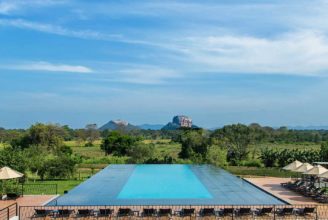
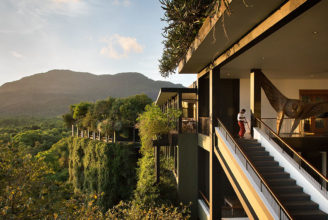
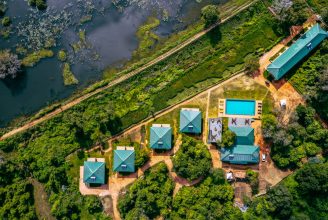
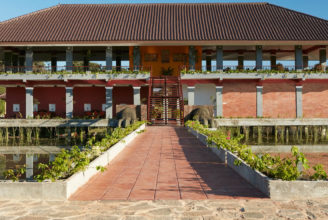
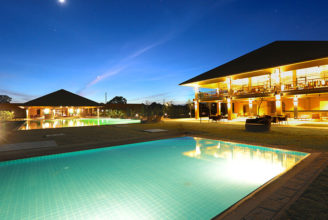
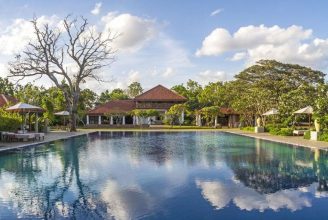
Local Hotels
Unsure Where To Start?
Connect with a specialist to craft your journey.


Our travel specialists are seasoned explorers with deep local insights. Whether it’s uncovering hidden gems or planning immersive cultural experiences, we design trips that go beyond the ordinary. Get in touch today!
Request A Video MeetingOther Popular Experiences
Speak to our Sri Lanka travel expert today
Aleem Raheem, Co-Founder and Sustainable Travel Expert | Earth Trip
Speak to our Sri Lanka travel expert today
Aleem Raheem, Co-Founder and Sustainable Travel Expert | Earth Trip
 Dambulla Cave Temples