











The Vedda People: Meeting Sri Lanka’s First Forest-Dwellers
Step back into a prehistoric era with a visit to the Wanniyalaeto (forest-dwellers), more commonly known as the Vedda people. As the island’s indigenous inhabitants with a lineage stretching back over 40,000 years, the Vedda represent the living soul of Sri Lanka’s ancient history. Living primarily in the remote regions of Dambana and Gal Oya, they maintain a deep, spiritual bond with the jungle. A meeting with the Vedda is not merely a tourist attraction; it is a profound, humbling encounter with a culture that prioritizes harmony with nature, ancestral wisdom, and the preservation of a fast-fading way of life.
Experience Highlights
The Jungle Walk with the Chief: Traverse the ancestral hunting grounds of the Vedda under the guidance of the community’s Chieftain or senior members. Learn to “read” the forest—discover the medicinal uses of endemic plants, identify animal tracks, and see the hidden caves where their ancestors once sought shelter.
Ancient Hunting and Gathering: Witness the mastery of the bow and arrow, the traditional tool used for millennia. You may also learn about the sacred art of wild honey collecting (Karadha Thaniga), where Veddas scale towering trees and use smoke rituals to respectfully harvest honey from giant combs.
Spiritual Rituals and Rhythms: Experience the Kiri Koraha dance, a powerful ritual performed to invoke the blessings of ancestral spirits (the Nae Yaku). Accompanied by rhythmic chants in the critically endangered Vedda language, these dances are a vivid expression of their animistic beliefs and their connection to the “friendly dead.”
Authentic Indigenous Flavors: Savor a traditional meal prepared with locally sourced ingredients, such as boiled yams, coal-cooked freshwater fish, and honey-preserved meats—a diet that has sustained the Wanniyalaeto for generations.
Expert Note: A Message from Aleem
“A meeting with the Vedda is one of the most culturally significant experiences we offer, but it requires a sensitive and respectful approach. Having lived in the UK for over 25 years, I am acutely aware of the importance of ethical tourism.
In early 2026, the Vedda Chief raised concerns about ‘cultural exploitation’ by unauthorized groups. Because of this, I personally vet our local partners annually to ensure that your visit directly benefits the community and respects their boundaries. We avoid the ‘human zoo’ traps; instead, we facilitate private, meaningful interactions that allow you to learn from the community on their own terms. At Earth Trip, we ensure you are accompanied by a specialist naturalist who acts as a bridge between your world and theirs, ensuring a European standard of professionalism and a deep respect for indigenous dignity.”
— Aleem Raheem, Sri Lanka Specialist at Earth Trip
Key Wildlife & Nature to Spot
The Hunter’s Forest: The jungles of Dambana and Gal Oya are home to Asian Elephants, Spotted Deer, and the Grey Langur.
Avian Guardians: Look for the Sri Lanka Grey Hornbill and the Crested Serpent Eagle, birds that hold significant places in Vedda folklore.
Sacred Flora: Discover the Ebony tree, Satinwood, and various rare Ayurvedic plants that the Vedda have used for medicine and ritual for thousands of years.
The Earth Trip Experience
At Earth Trip, we specialize in “slow travel” that creates genuine connections. Aleem and our team prioritize private tours to Gal Oya or Dambana to ensure your experience is quiet and personal.
Your journey is 100% protected through our Travel Trust Association (TTA) membership and comprehensive insurance. Our private transport network and dedicated fuel allocations ensure that even with local logistical shifts in 2026, your travel to these remote settlements remains entirely seamless. We provide the security of a UK-based operator with the intimate, trusted network of a local expert.
Visiting Hours & Best Time to Visit
Ideal Timing: Early mornings (6:30 AM) are best for jungle treks when wildlife is most active and the forest is cool. Afternoon visits are ideal for village interaction and cultural demonstrations.
Dress Code: Wear neutral, earthy-toned clothing that is comfortable for walking. As a mark of respect, avoid overly revealing attire when entering the village.
Best Season: The dry season from May to September is ideal for trekking through the eastern jungles, though visits are possible year-round.
Responsible Tourism: A Respectful Visit
When visiting the Vedda communities, remember you are guests in their home. Your visit should be:
- Respectful: Always ask permission before taking photographs of individuals or their homes.
- Guided: Only visit with a local, certified guide who has established a respectful relationship with the community.
- Supportive: Consider purchasing locally produced honey or handicrafts to support the preservation of their culture and traditions.
A journey to meet the Vedda people is not just a tour—it’s a vital, living history lesson that highlights the importance of preserving ancient cultures in the modern world. Book your unique cultural encounter today!
Earth Trip favourite fun facts about Vedda People:
1. The Language of the Forest
While many Vedda people now speak Sinhala or Tamil, they have their own distinct language. It is filled with “nature-heavy” descriptions. For example, instead of a simple word for “elephant,” they might use a term that translates to “the one with the big trunk” or “the mountain-like one.”
2. The “Preservationists” of Honey
The Vedda are famous for their love of wild honey. They have a unique “ancient refrigerator” technique: they preserve meat by placing it inside the hollow of a tree and covering it entirely with wild bee honey. It can stay fresh and edible for months (or even years) this way!
3. The Axe is Essential
You will rarely see a traditional Vedda man without a small axe (Galleha) slung over his shoulder. It isn’t just a tool; it’s a symbol of their identity. They use it for everything from honey harvesting to ritual dances and clearing paths through the dense scrub.
4. They Never “Own” the Land
Unlike modern society, the Vedda traditionally do not believe in land ownership. Their philosophy is that they belong to the forest, rather than the forest belonging to them. They only take what they need for the day, ensuring the jungle remains fertile for the next generation.
5. A Unique “Walking” Style
Traditional Vedda trackers have a distinct way of walking through the jungle to avoid making noise. They step heel-to-toe in a specific rhythm that allows them to move over dry leaves and twigs almost silently—essential for getting close to wildlife without being detected.
6. Dogs are the Best Friends
In Vedda culture, hunting dogs are highly prized and treated with immense respect. Historically, when a man passed away, his hunting dog was often looked after by the entire community as a tribute to the man’s skill and the dog’s loyalty.
Expert Note from Aleem:
“One of my favorite things about visiting the Vedda is seeing their bow-and-arrow skills in person. I once saw a young Vedda man hit a target smaller than a tea saucer from 20 paces away! It’s a level of focus and hand-eye coordination that we’ve largely lost in our digital world. When you visit with Earth Trip, we make sure you get to see these skills practiced as a living tradition, not just a performance.”
— Aleem Raheem, Sri Lanka Specialist at Earth Trip
Local Hotels


Unsure Where To Start?
Connect with a specialist to craft your journey.


Each specialist has travelled extensively in the countries they plan. Whether it’s uncovering hidden gems or planning immersive cultural experiences, we design trips that go beyond the ordinary. Get in touch today!
Request A Video Meeting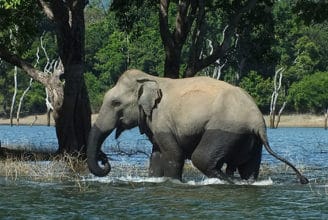
Speak to our Sri Lanka travel expert today
Aleem Raheem, Co-Founder and Sustainable Travel Expert | Earth Trip
Speak to our Sri Lanka travel expert today
Aleem Raheem, Co-Founder and Sustainable Travel Expert | Earth Trip
 Vedda People – Sri Lanka