












Brazil Travel Guide: Architecting a Continental Journey
Brazil operates on a truly colossal scale, functioning less like a single country and more like an entire ecological micro-continent. For the independent traveller, its vastness is its greatest asset, offering an astonishingly diverse tapestry of distinct tourism regions. Within its borders, you can move seamlessly from the trackless flooded channels of the world’s largest primary rainforest to the endless, golden sands of the historic Northeast, or from the thundering basalt plates of the sub-tropical south to the dramatic granite peaks that cradle the Atlantic coast.
Because of this immense geography, a successful holiday relies on masterful planning, smart internal flight pacing, and a deep understanding of regional seasonal shifts. At Earth Trip, we look past mass-market tourist tracks to craft highly personalized, slow-travel itineraries. We map out your journey around independent heritage properties, remote eco-sanctuaries, and low-impact lodges, ensuring you experience each distinct region alongside the country’s finest private naturalist guides.
The Five Regional Pillars of Brazilian Tourism
To help you conceptualize your custom travel routing, Brazil’s tourist landscape is defined by five entirely distinct geographic and cultural realms:
1. The South East: Rio de Janeiro, São Paulo & The Green Coast
Best for: Coastal rhythms, Belle Époque maritime heritage, and Atlantic forest trails.
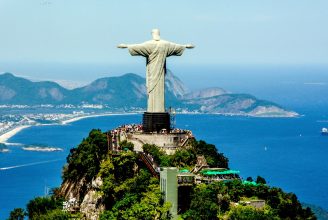
The South East is where Brazil’s dramatic natural topography meets its most iconic urban and coastal soul. Rio de Janeiro serves as a breathtaking introduction, where granite peaks like Sugar Loaf and Corcovado rise directly out of the Atlantic blue, and the sounds of samba drift from beachside bars.
Beyond the capital lies the stunning Green Coast, a region backing into dense, coastal rainforest. Here, we transition you to Paraty, a beautifully preserved, pedestrian-only 18th-century gold-trading port, before crossing by boat to the car-free island sanctuary of Ilha Grande for pristine beaches and quiet forest trails. Further inland, the rolling mountains of Minas Gerais reveal historic baroque towns, cobblestone streets, and the dramatic table-top ridges of Ibitipoca, where maned wolves roam and rare primates swing through the canopy.
2. The Pantanal & Central-West: The Ultimate Wildlife Safari
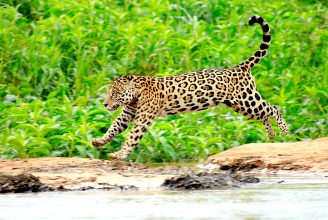
Best for: Unobstructed jaguar tracking, giant river otters, and open-vista photography.
The Pantanal is the world’s largest seasonal floodplain and the absolute premier destination for wildlife viewing in the Americas. Unlike the dense, closed canopy of the Amazon, the wide-open savannahs and exposed riverbanks of the Pantanal offer completely clear visibility for tracking and photography.
Based from an exclusive, low-impact eco-lodge, you will set out on private boat safaris and nocturnal wildlife drives along quiet river tributaries. Accompanied by specialized private trackers, this is the finest biome on Earth to observe the majestic Jaguar hunting in its native habitat, alongside giant river otters, caimans, anteaters, and brilliant flocks of hyacinth macaws.
3. The North: The Amazon Basin & Primary Rainforest
Best for: Deep-forest riverboat expeditions, pink river dolphins, and indigenous forestry.
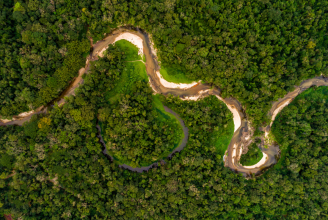
The absolute lungs of the planet. Covering millions of square miles, this complex wilderness corridor is an essential pilgrimage for any nature enthusiast. To ensure complete privacy, we bypass the crowded commercial cruise operations, positioning you either at luxury stilted lodges hidden deep within private reserves or on board intimate, private-charter river vessels. Accompanied by native naturalist guides, you will navigate silent igapós (flooded forests) by canoe, track sloths and harpy eagles, and gain a profound understanding of traditional forest medicine and community-led conservation frameworks.
4. The Northeast: Bahia & African Brazil
Best for: Blinding sand dunes, Afro-Brazilian culture, and wild, coral-fringed coastlines.
The cultural and spiritual heartland of the nation. The Northeast offers a sensory mix of vibrant history and spectacular, untamed coastlines that mirror the Caribbean of half a century ago. In Salvador da Bahia, the pastel-hued, baroque streets of the Pelourinho throb to the rhythmic heartbeat of giant drum orchestras, celebrating a deep Afro-Brazilian heritage found nowhere else.
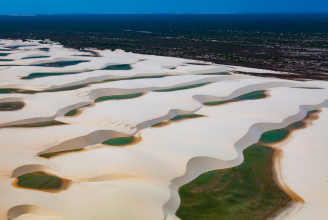
Further north, this region reveals the surreal Lençóis Maranhenses National Park—a vast, otherworldly landscape of blindingly white sand dunes where seasonal rainwater collects to create thousands of crystal-clear, turquoise swimming lagoons, bordered by ibis-filled wetlands and lonely, palm-shaded beaches.
5. The South: The Iguaçu Plateau & Rainforest Canyons
Best for: Sub-tropical walkways, immense hydrological scale, and endemic bird tracking.
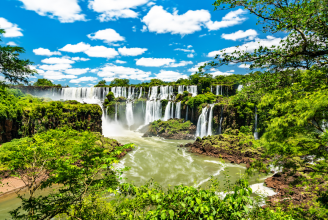
Deep in the sub-tropical south, the landscape transforms into an dramatic basalt plateau where the Iguaçu River tumbles over a massive crescent, creating a network of 275 individual waterfalls stretching across nearly two miles. Wrapped in a unique Atlantic Rainforest ecosystem, the sheer power of the water creates a permanent curtain of mist and rainbows. By housing you in exceptional luxury properties located directly inside the national park borders, we grant you exclusive morning and evening access to the walkways, allowing you to view the thundering Garganta del Diablo (Devil’s Throat) in absolute serenity before the day-trippers arrive.
Regional Travel Planning: The Seasonal Framework
Because Brazil spans multiple climate zones across the Equator and the Tropic of Capricorn, timing your holiday to match regional weather patterns and wildlife migrations is essential:
| Geographic Region
| Peak Tourism Window
| Regional Character & Highlights
|
| The Pantanal | July to October (Dry Season) | As seasonal floods recede, wildlife gathers around the remaining water channels. This is the absolute peak window for clear visibility and successful jaguar tracking. |
| The Amazon | Year-Round (Low Water: Sept–Dec) | High water (Mar-June) is ideal for canoeing through the flooded tree canopies. Low water (Sept-Dec) exposes sandy river beaches, perfect for tracking caimans and nesting birds. |
| The South East (Rio) | September to April | Warm, sunny coastal weather. Perfect for exploring the historic maritime ports of the Green Coast, mountain trails, and open-air seaside dining. |
| The Northeast (Lençóis) | May to August | Beautiful, warm coastal conditions. This specific window ensures the freshwater lagoons nestled between the massive sand dunes are completely full and crystal clear. |
| The South (Iguaçu) | March to May (Autumn) | The waters remain remarkably high from summer rains, but skies clear to reveal bright blue backdrops. Highly comfortable temperatures make for ideal trail walking. |
Earth Trip Specialist Pacing Insight: Due to the sheer scale of the country, internal flights are necessary to bridge these distinct regions. To ensure your holiday remains thoroughly relaxing, we expertly space these transitions with multi-night stays at your destinations, allowing you to slow down, connect deeply with local environments, and enjoy these pristine ecosystems in complete comfort.

Speak to our Brazil travel expert today
Aleem Raheem, Co-Founder and Sustainable Travel Expert | Earth Trip
Speak to our Brazil travel expert today
Aleem Raheem, Co-Founder and Sustainable Travel Expert | Earth Trip
Tailor-Made Luxury Tours with a Private Driver
Earth Trip designs exclusive, bespoke tours featuring private drivers and hand-picked luxury accommodations, built entirely around your personal preferences and travel style.
Bespoke Holidays
 Brazil Regions