












Polonnaruwa served as the flourishing second capital of Sri Lanka after the fall of Anuradhapura in 1070 AD. Today, this UNESCO World Heritage site remains one of the best-planned archaeological relic cities in the world. A testament to the discipline and creative power of the island’s early rulers, the city is famous for its monumental ruins, sprawling “seas” of man-made reservoirs, and world-class stone sculptures. It is a place where history feels tangible, carved into the very rock of the landscape.
Experience Highlights
The Gal Vihara (Stone Temple): The pinnacle of Sinhalese rock carving, the Gal Vihara features four colossal Buddha statues carved from a single granite cliff. The standing figure and the 14-metre reclining Buddha are masterclasses in serene expression and fluid drapery. To witness these icons in the soft morning light is a highlight of any cultural journey through the Cultural Triangle.
The Quadrangle (Dalada Maluwaya): The most concentrated collection of ancient buildings in Polonnaruwa, the Quadrangle houses the Vatadage—a circular relic house with exquisite stone carvings and four guarding Buddhas. The architectural precision and the intricate “moonstones” at the entrances represent the height of medieval Sri Lankan art.
The Parakrama Samudra (Sea of Parakrama): This massive ancient reservoir, built by King Parakramabahu the Great, is so vast it creates its own micro-climate. It is a stunning example of the hydraulic engineering that allowed this kingdom to thrive. Cycling along its banks at sunset, with the breeze blowing off the water, is the perfect way to conclude a day of exploration.
Expert Note: A Message from Aleem
“Polonnaruwa is often my preferred ancient capital because the ruins are more compact and better preserved than those in Anuradhapura. Having lived in the UK for over 25 years, I appreciate the ‘outdoor museum’ feel of the site—it is incredibly accessible and rewarding for those who enjoy history.
In early 2026, the local authorities have improved the cycling paths throughout the archaeological park, making a bike tour even more seamless. I always recommend the ‘Ancient Engineering’ tour for our guests. Seeing the sheer scale of the brickwork at the Rankot Vihara stupa is mind-blowing when you consider the tools available at the time. Because I insist on high European standards, I ensure your guide is a licensed archaeologist who can explain the nuance of the stone-work and the fascinating political history of the Chola and Sinhalese eras.”
— Aleem Raheem, Sri Lanka Specialist at Earth Trip
Key Landmarks & Ancient Wonders
The Earth Trip Experience
At Earth Trip, we believe the best way to see Polonnaruwa is on two wheels. We provide high-quality mountain bikes and helmets for a private cycling tour, allowing you to move between the ruins at your own pace while avoiding the heat of the midday sun. Our private transport network is always on standby with cold water and refreshments to ensure your comfort throughout the day.
Your holiday is 100% protected through our Travel Trust Association (TTA) membership. From expert-led walking tours to bespoke itineraries that connect Polonnaruwa with the wildlife of Minneriya or the rock fortress of Sigiriya, we deliver the premium service and logistical excellence expected from a leading UK specialist.
Best Time to Visit & Duration
-
Best Time: The dry season from May to September offers the clearest skies, though Polonnaruwa is rewarding year-round.
-
Ideal Timing: We recommend starting your tour at 8:00 AM to beat the heat and the larger tour groups.
-
Duration: A thorough exploration of the main sites typically takes 3 to 4 hours. For history enthusiasts, a full day allows for a more immersive look at the peripheral ruins and the museum.
Enquire Now to plan your Polonnaruwa heritage tour with Aleem.
Fun Facts About Polonnaruwa
1. The “Sea” That Isn’t a Sea The Parakrama Samudra is so large that it was named a “Samudra” (Ocean/Sea). In reality, it is a massive man-made reservoir consisting of five separate tanks joined together. It was built with such precision that it covers over 2,500 hectares, providing water for the entire region—a feat of 12th-century engineering that still functions today!
2. A Stone Book That Weighs 25 Tonnes The Gal Pota (Stone Book) is a massive slab of granite that looks like a giant palm-leaf manuscript. It weighs about 25 tonnes and was dragged over 100 kilometres from Mihintale to Polonnaruwa. It records the virtues of King Nissanka Malla and even describes the kingdom’s relationships with foreign lands.
3. Monkey Kingdom Fame If the ruins look familiar to nature documentary fans, it’s because Polonnaruwa is the primary filming location for the DisneyNature film Monkey Kingdom. The Toque Macaques that live among the ruins have a complex social hierarchy and have been studied by primatologists for over 50 years—one of the longest-running wildlife studies in the world.
4. The Seven-Storey Palace The Royal Palace of King Parakramabahu I was originally seven storeys high and was said to contain 1,000 rooms. While only three storeys of the massive brick walls remain today, you can still see the holes in the brickwork where giant wooden floor beams once supported the upper levels.
5. Duran Duran’s Music Video Pop culture fans might recognise the Gal Vihara and the Lankatilaka Image House from the 1982 music video for “Save a Prayer” by Duran Duran. The band filmed several scenes among the ruins, showcasing Polonnaruwa’s ethereal beauty to a global MTV audience long before it became a popular tourist destination.
Local Hotels
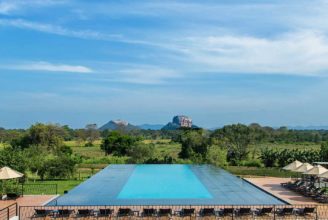
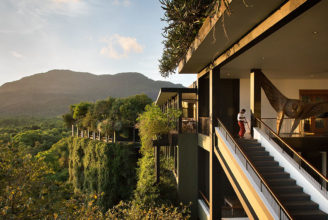
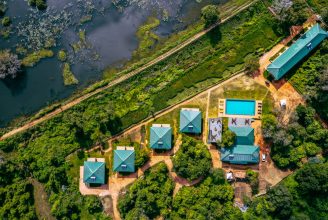
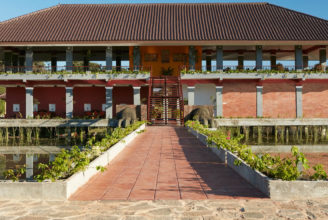

Unsure Where To Start?
Connect with a specialist to craft your journey.


Our travel specialists are seasoned explorers with deep local insights. Whether it’s uncovering hidden gems or planning immersive cultural experiences, we design trips that go beyond the ordinary. Get in touch today!
Request A Video MeetingOther Popular Experiences

 Polonnaruwa