












Weligama Stilt Fishermen: The Iconic Tradition of the South
The Weligama Stilt Fishermen are the subjects of one of the most enduring and recognizable images of Sri Lanka. Known locally as Ritipanna, this unique method of fishing is found almost nowhere else in the world. Perched on slender wooden poles (stilts) embedded in the sandy seabed, the fishermen balance with incredible skill while casting their lines into the surf. This practice, which emerged after World War II, is a beautiful display of patience and a deep understanding of the coastal currents. While modern fishing methods have evolved, the sight of these figures silhouetted against the Indian Ocean at dawn remain a powerful symbol of the island’s coastal heritage.
Experience Highlights
-
The Art of Balance: Witness the physical mastery required to sit for hours on a narrow crossbar called a Petta. Using one hand to hold the stilt and the other to manage a barbless hook, the fishermen target small fish like spotted herring and mackerel. It is a quiet, meditative practice that relies on silence and minimal disturbance to the water.
-
A Photographic Masterpiece: Whether at the break of dawn or during the “golden hour” of sunset, the stilts create a dramatic visual against the turquoise waves of Weligama Bay. The play of light on the water and the spray of the reef make this a top priority for travel photographers and cultural enthusiasts.
-
Cultural Storytelling: Engaging with the local fishing communities offers a window into the resilience of the southern coast. You’ll learn how the stilts are passed down through families and how the tradition has survived through both the 2004 Tsunami and the changing economic tides of the region.
Modern Updates & Authenticity
It is important to note that stilt fishing has transitioned from a primary source of income to a preserved cultural tradition. Today, many “fishermen” on the stilts are there specifically to demonstrate the craft for visitors and photographers.
At Earth Trip, we pride ourselves on transparency. While the spectacle is stunning, we aim to provide an authentic context. In 2026, many true fishermen have moved to deep-sea boats for their livelihoods, so the stilts you see along the Galle-to-Matara road are often part of a community-led cultural display. We ensure that our guests’ visits support the local families who maintain these poles and preserve the heritage of their ancestors, keeping the Ritipanna legacy alive.
Key Wildlife & Nature to Spot
-
Reef Fish: The shallow waters around the stilts are home to schools of Bollo (Mackerel) and Koraburuwa (Spotted Herring).
-
Marine Life: Keep an eye on the shoreline for Sea Turtles that frequently feed in the seagrass beds near Weligama and nearby Mirissa.
-
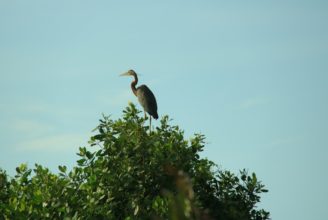
Coastal Avifauna: Look for Greater Crested Terns and Whimbrels patrolling the beaches and rocky outcrops.
Best Time to Visit
-
Ideal Timing: To see the stilts in the best light, visit between 6:30 AM and 8:30 AM or 4:30 PM and 6:30 PM. This avoids the midday heat and provides the most dramatic skies for photography.
-
Seasonal Note: The best months for calm seas and clear views are from December to April. During the monsoon season (May to September), the rougher surf often makes the stilts inaccessible.
The Earth Trip Experience
At Earth Trip, we ensure your cultural encounters are respectful and rewarding. Aleem, our Sri Lanka Specialist with over 25 years of UK-standard experience, annually inspects our coastal routes to find the most scenic and least crowded spots for this experience.
When you book with us, your holiday is 100% protected through our Travel Trust Association (TTA) membership. Your investment is safe even if flights are cancelled. Furthermore, our private transport network ensures that local logistical shifts, such as petrol shortages, do not affect your itinerary. We provide the high European standards of service you expect, delivered with genuine Sri Lankan hospitality.
Other Popular Experiences Nearby
-
Surfing in Weligama: The bay’s gentle, long-breaking waves make it the premier spot in Sri Lanka for beginner surfers.
-
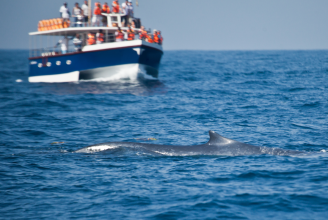
Mirissa Whale Watching: Just 15 minutes away, this is the best place to set sail in search of Blue Whales.
-
Kushtarajagala Statue: Visit the nearby 9th-century rock-cut statue of a Mahayana Bodhisattva, a hidden historical gem.
The Weligama Stilt Fisherman represent an iconic, centuries-old traditional fishing method unique to the southern coast of Sri Lanka, where a fisherman patiently balances on a narrow wooden crossbar (petta) attached to a pole fixed into the shallow seabed (ritipanna) to catch small fish.
Key Facts in One Sentence
The Weligama Stilt Fishermen are a world-famous cultural sight unique to Sri Lanka’s southern coast, known for their distinctive method of balancing on a narrow wooden perch fixed into the shallow sea to fish.
Background
- Location: Primarily seen along the shallow coral reefs and coastlines between Galle and Weligama, with the most famous spot being in Weligama Bay.
- History: The practice, which began during or shortly after World War II due to food shortages and overcrowded fishing spots, involves using only a simple rod and line.
- Current Status: Due to environmental changes (like the 2004 Tsunami destroying the reef habitat) and the lack of a substantial catch, the tradition is no longer widely practiced as a primary livelihood; today, many of the men on the stilts are often performers posing for tourists who pay a small fee for the iconic photograph.
- Best Viewing Times: While the men pose all day, the best light for photography and the highest chance of seeing genuine fishing activity is during the early morning (sunrise) and late afternoon (sunset).
Local Hotels








Unsure Where To Start?
Connect with a specialist to craft your journey.


Our travel specialists are seasoned explorers with deep local insights. Whether it’s uncovering hidden gems or planning immersive cultural experiences, we design trips that go beyond the ordinary. Get in touch today!
Request A Video MeetingOther Popular Experiences


 Weligama Stilt Fisherman